Infographics on Ukrainian Climate Law and Governance
By Rinata Kazak and Ievgeniia Kopytsia
8 November 2025
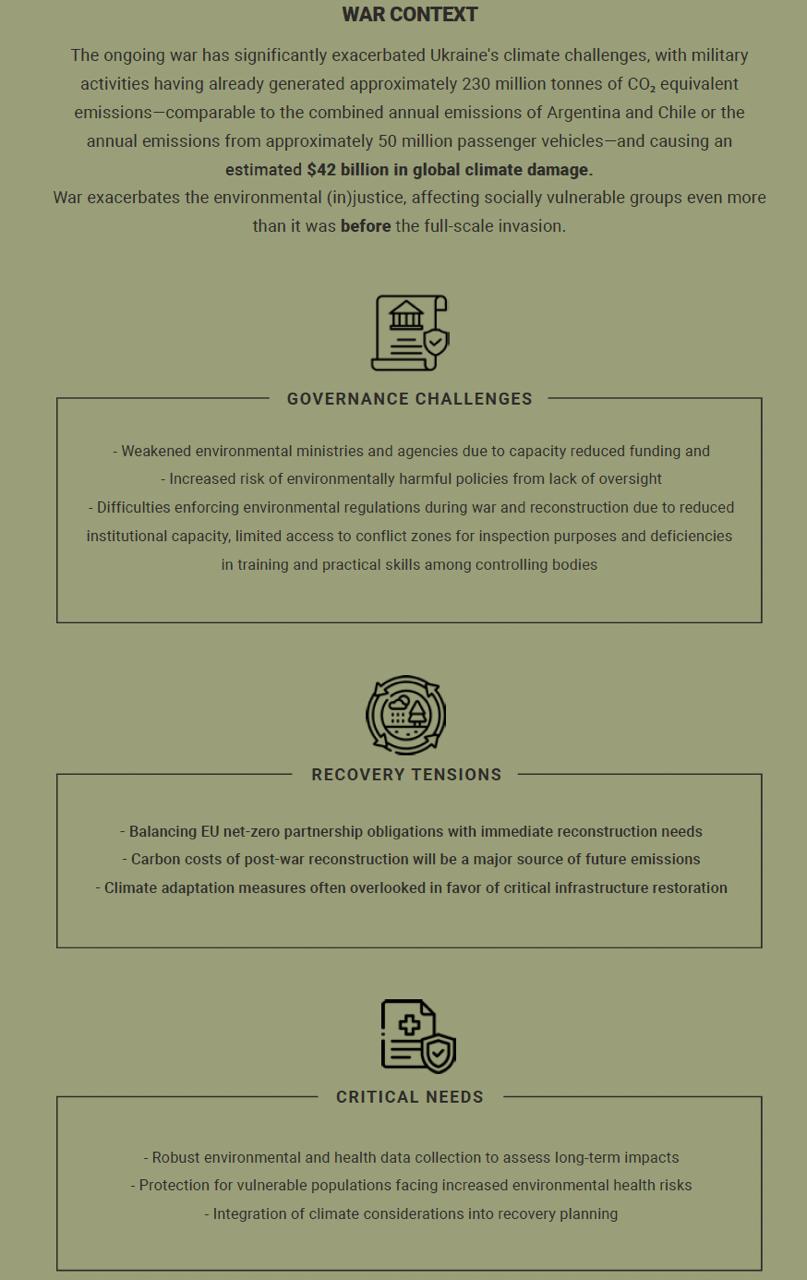
As the global climate community convenes at COP30 in Belem, Ukraine presents an experience that challenges conventional assumptions about climate governance. Despite the ongoing Russian agression and the immense humanitarian, environmental, and economic consequences of the war, Ukraine has continued to advance its climate policy and legal frameworks. Far from being postponed, climate action has become an essential component of Ukraine’s resilience, recovery, and European integration pathway.
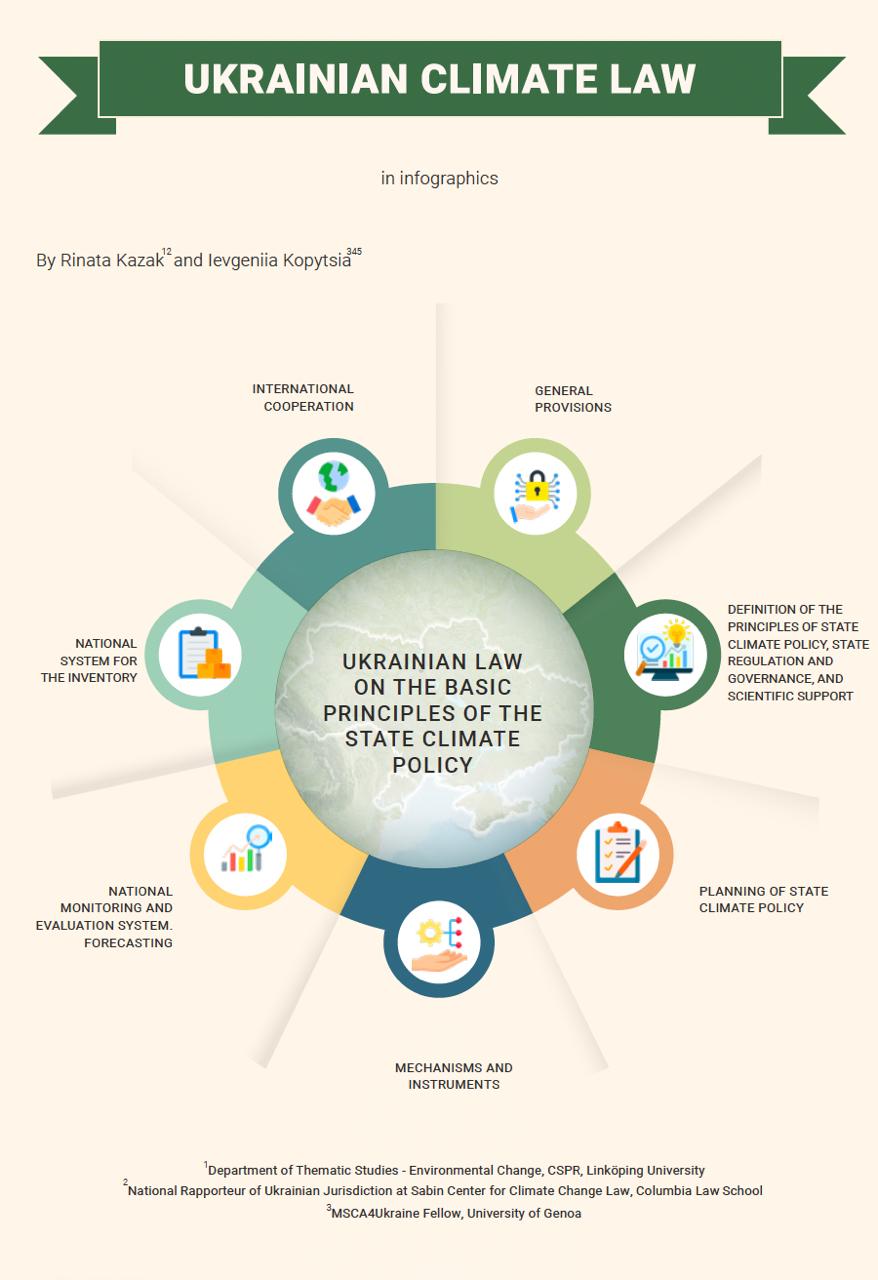
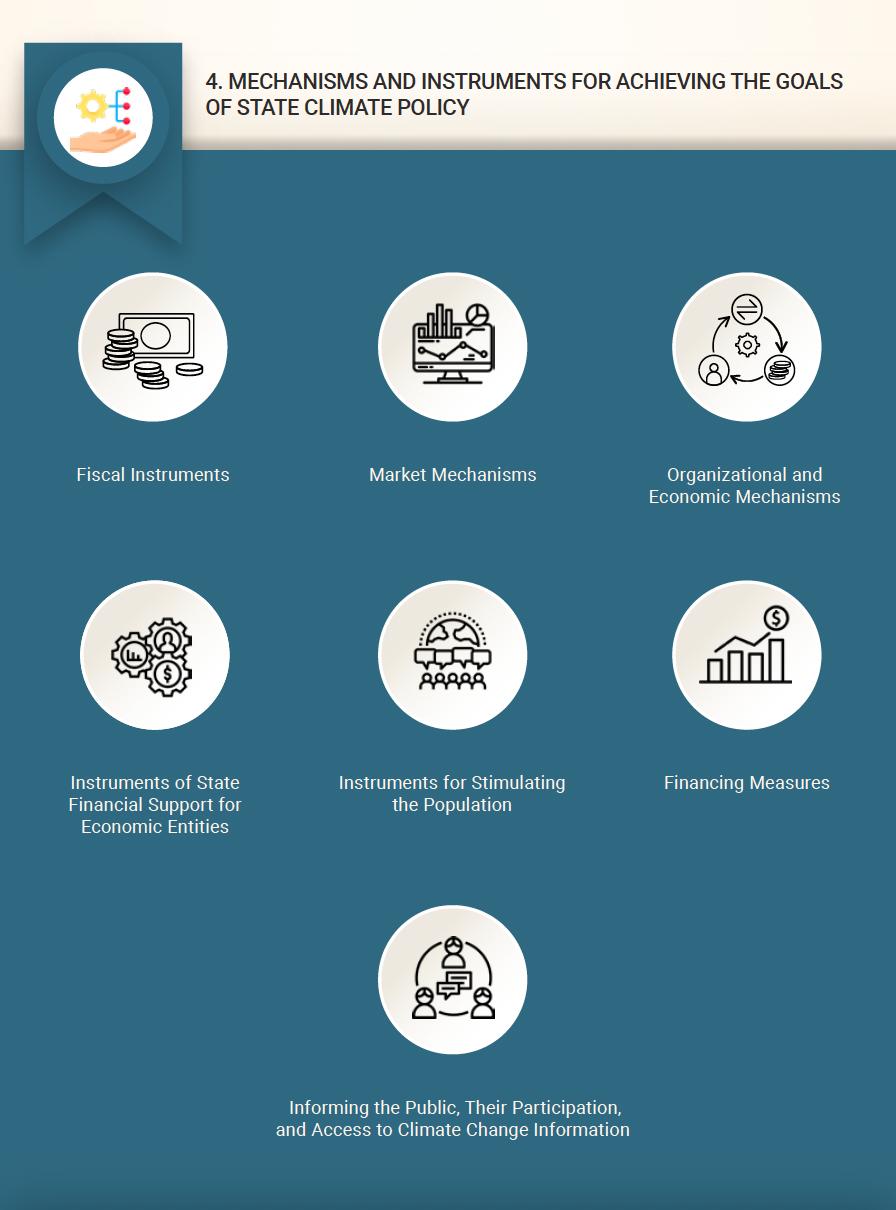
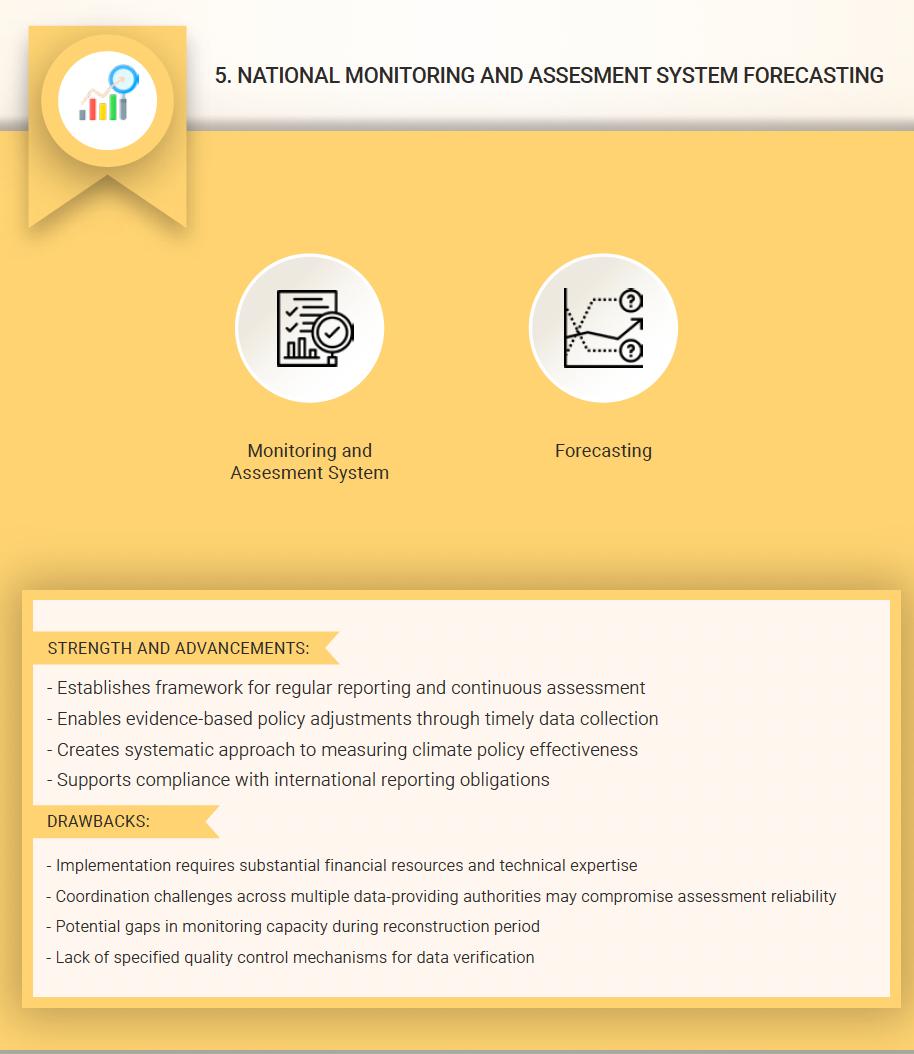
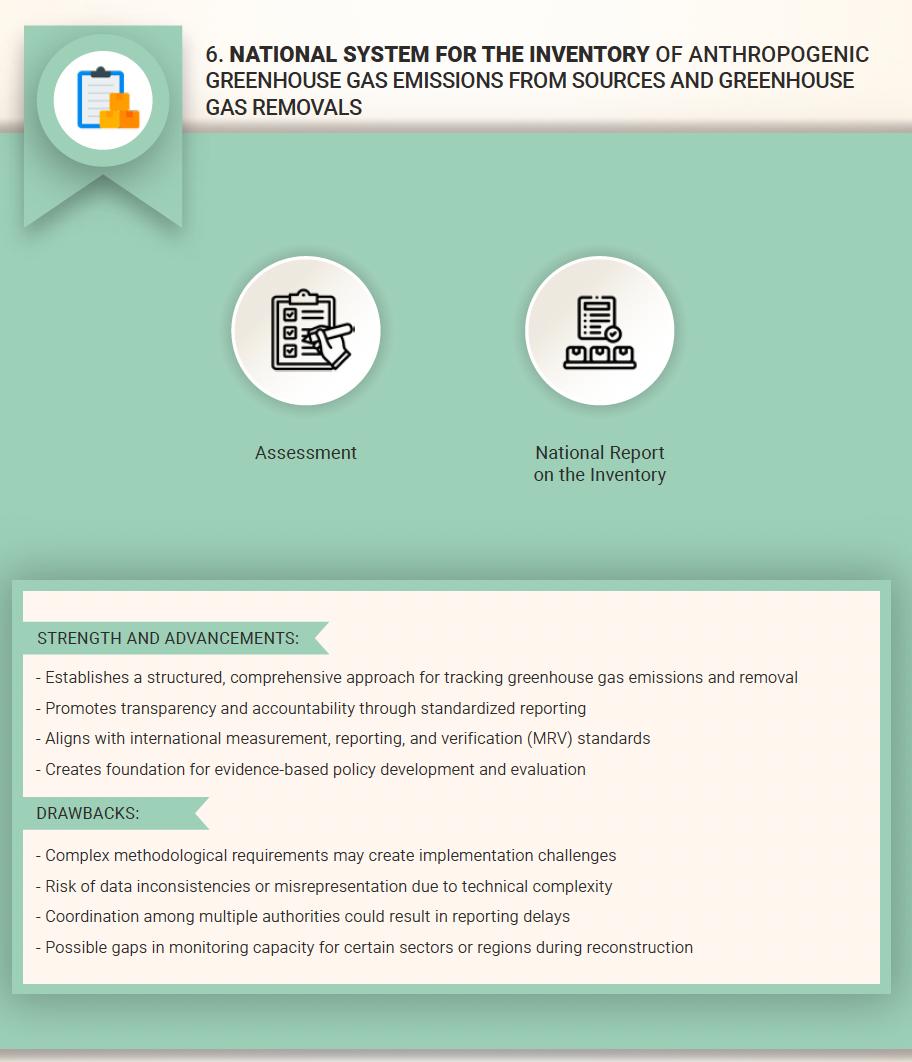
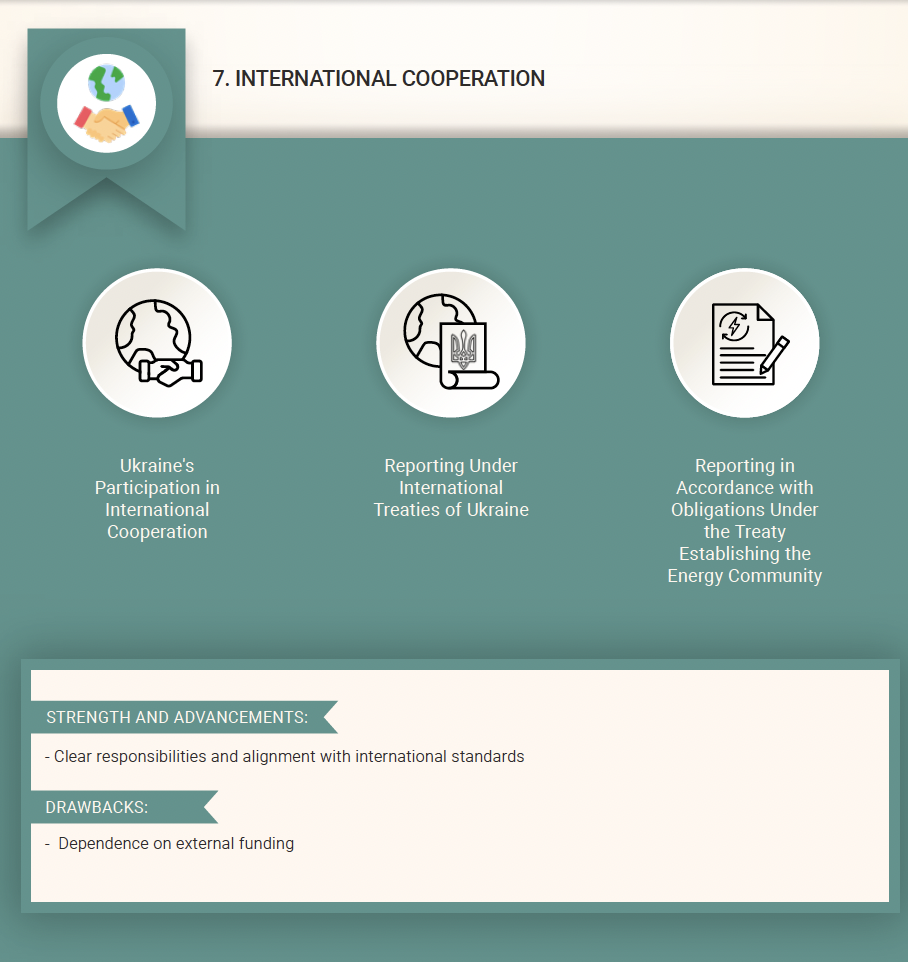
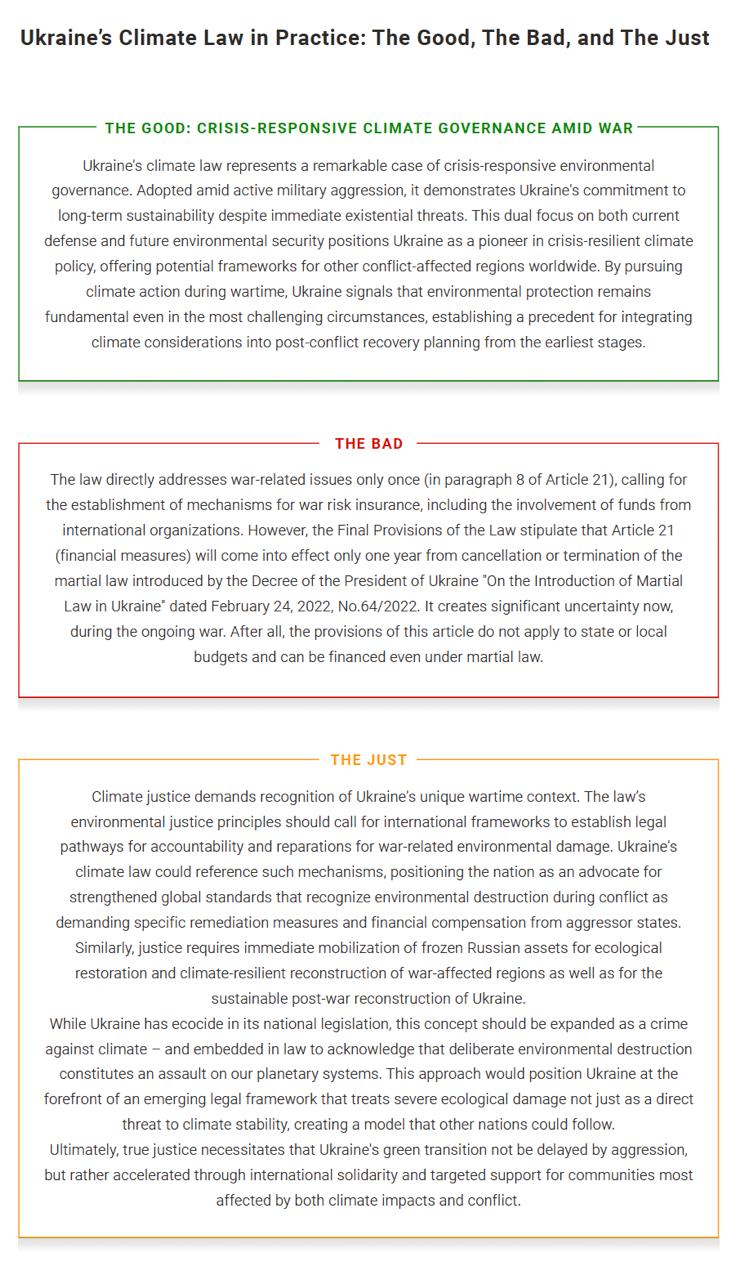
In October 2024, the Verkhovna Rada of Ukraine adopted the Law “On the Basic Principles of the State Climate Policy”, a comprehensive national climate law aligned with the EU environmental acquis. The law entered into force later that month and establishes a long-term legal foundation for climate action, including Ukraine’s commitment to climate neutrality by 2050. Drawing inspiration from John Lang’s analysis on the “Essential Features of a National Climate Law”, the infographics map how this framework law is structured, what it already delivers, and where challenges remain.
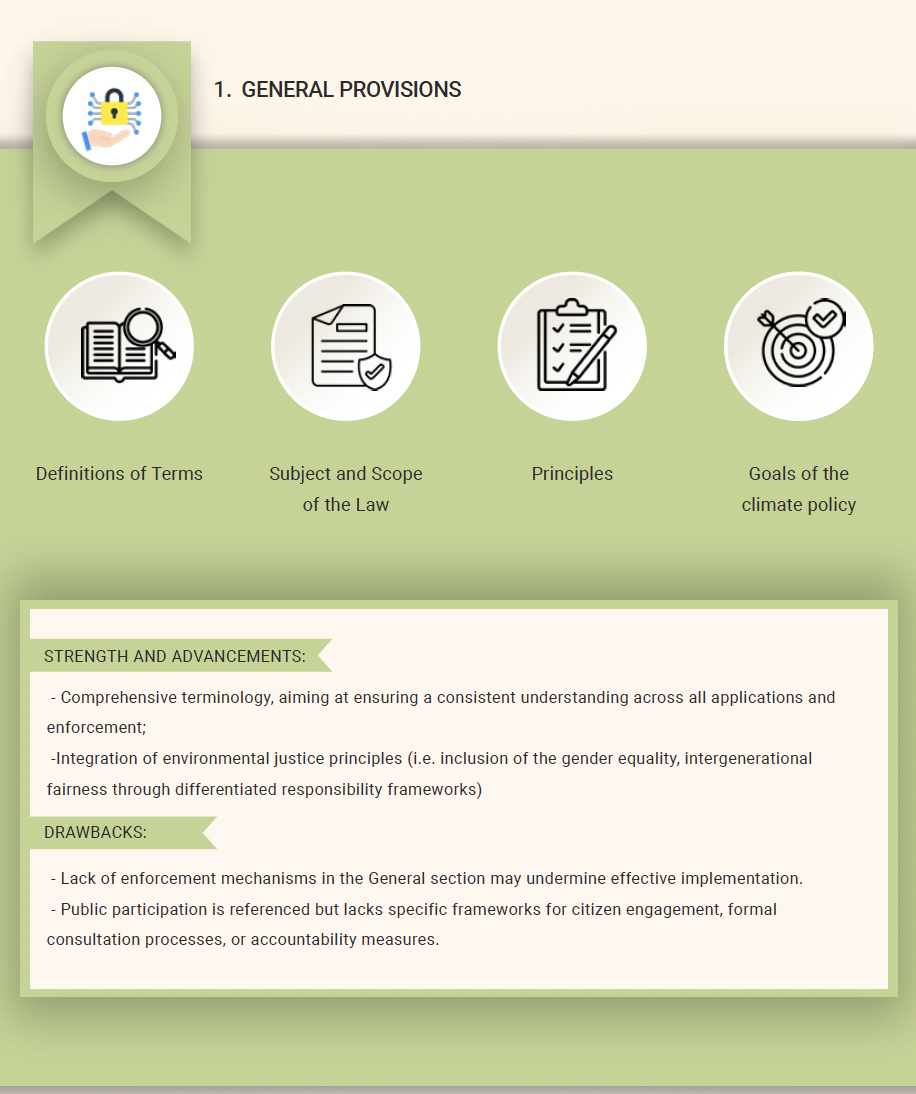
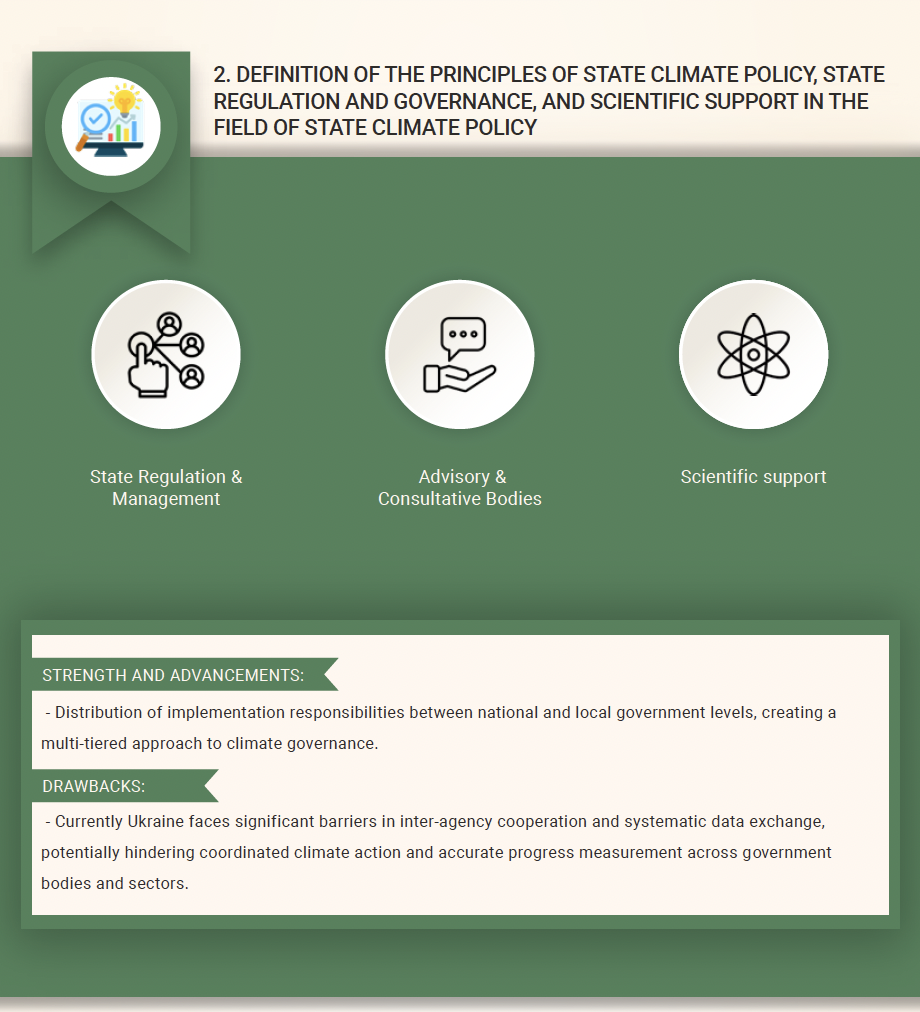
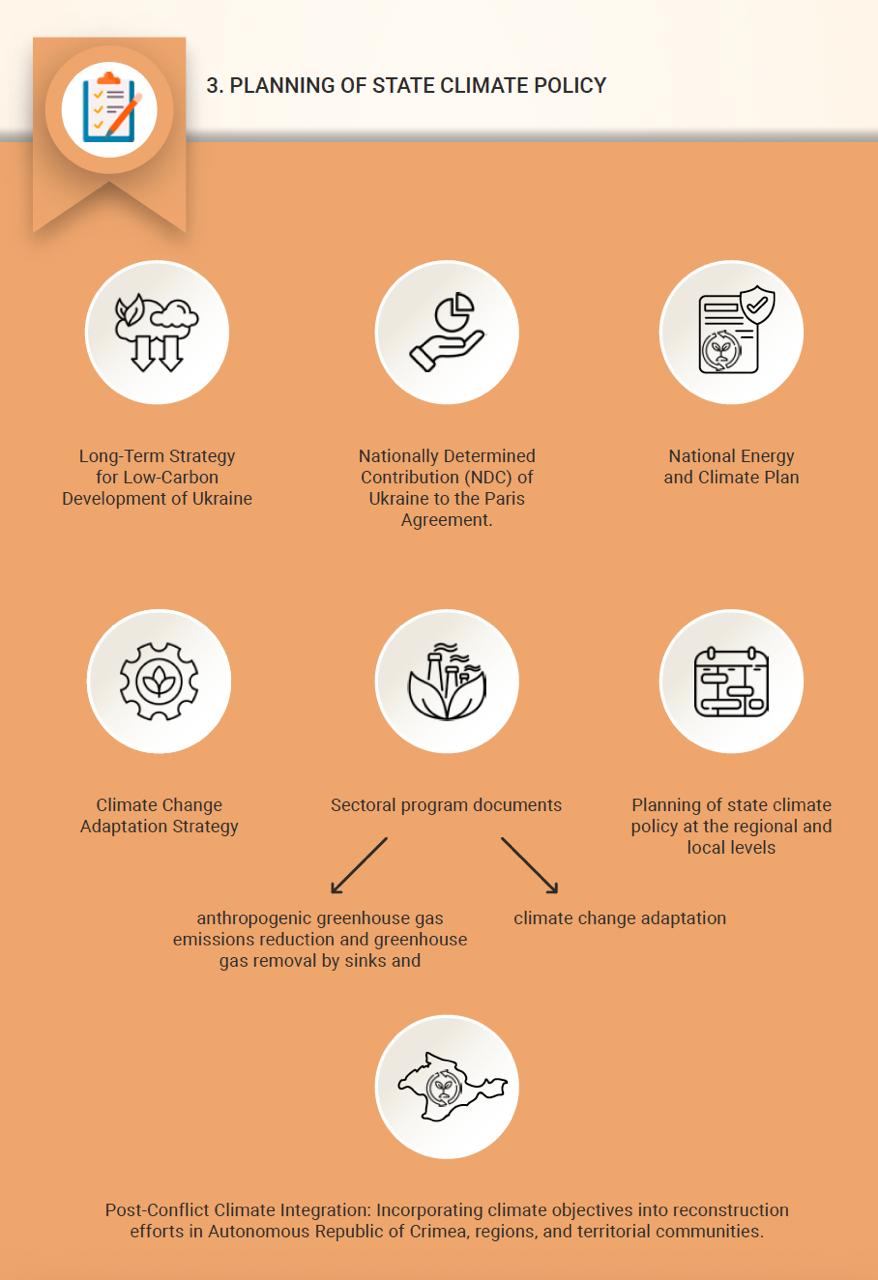
The presentation unfolds across seven distinct parts, each analyzing the separate section of the Law and addresses critical questions:
What are the fundamental elements of this legal framework, including its targets, public participation mechanisms, long-term strategy, and overarching goals? How does Ukraine’s climate governance approach compare to international best practices, positioning it within the global climate policy landscape?
Why this matters at COP30
Taken together, these infographics show that Ukraine’s climate law is already operational. It structures governance, enables planning, supports monitoring and transparency, and, critically, lays the legal foundation for ETS and carbon market development, even during active conflict.
As discussions at COP30 increasingly focus on implementation, credibility, and accountability, Ukraine’s experience offers a reminder that robust legal frameworks matter, especially in the most difficult circumstances. By embedding climate neutrality into law while the war continues, Ukraine signals that climate governance is not a luxury of peace, but a necessity for sustainable recovery and long-term security.
Authors
Rinata Kazak holds PhD in Law and is a Lecturer at Linköping University, Sweden. Originally from Ukraine, her research examines how legal norms and policies evolve over time within the broader context of climate change. As a member of the Centre for Climate Science and Policy Research (CSPR), she explores ecocide as both a consequence of war and a catalyst for green societal transformation. Her current work focuses on relationship between sustainable development and the complex system of environmental protection, legislation and policies in the context of the Russian invasion of Ukraine.
Ievgeniia Kopytsia is an environmental and climate law scholar specialising in climate governance, EU environmental acquis alignment, and post-war green recovery. She is a MSCA4Ukraine Fellow at the University of Genoa and a Head of the Centre for Sustainable Development and Environmental Law at Yaroslav Mudryi National Law University (Kharkiv). Her work focuses on climate governance, carbon markets, climate security, and nature-based solutions, supporting legal pathways for climate action and recovery during conflict and crisis