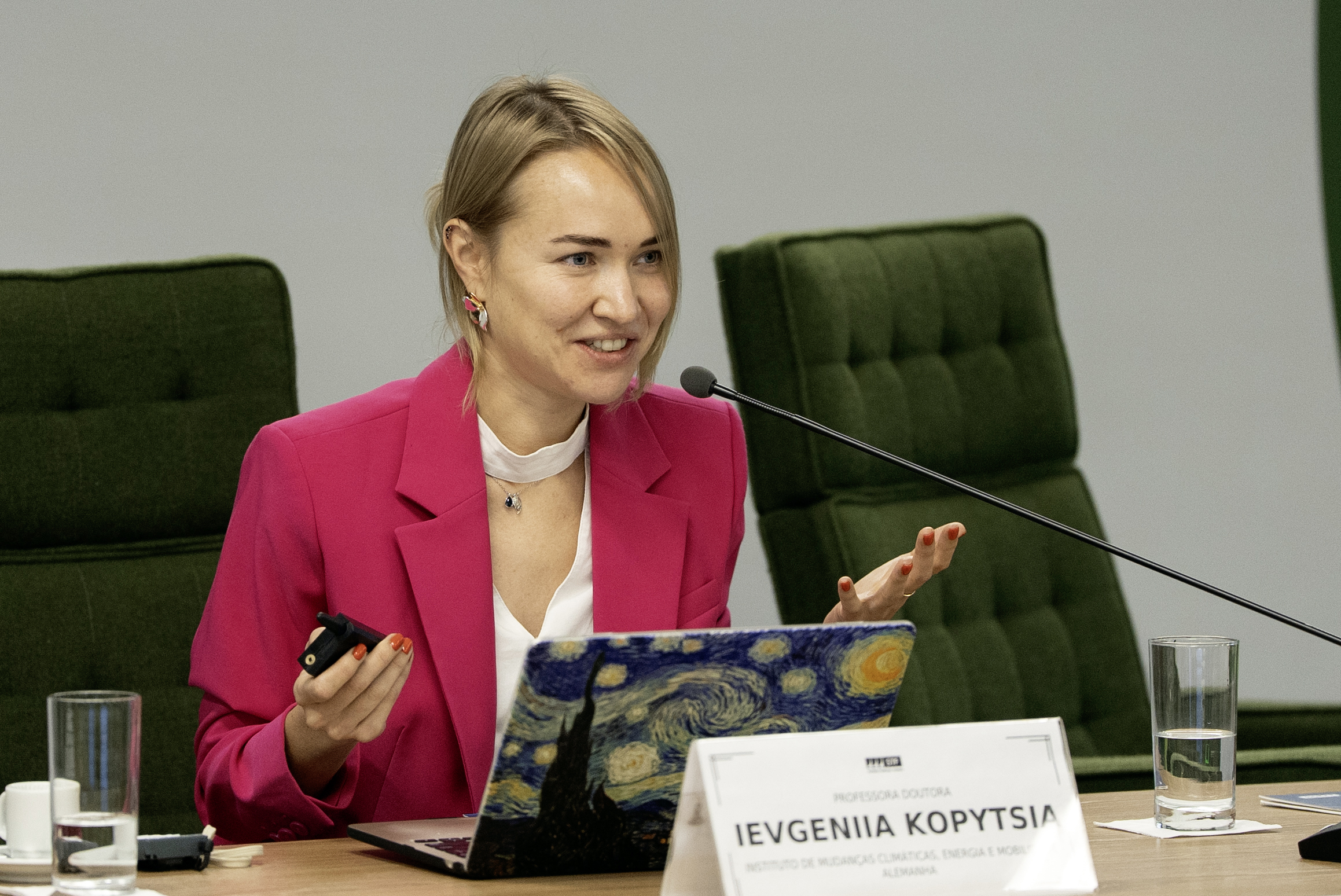
by Ievgeniia Kopytsia
MSCA4Ukraine Research Fellow, University of Genoa
Associate Professor, Yaroslav Mudryi National Law University
Head, Centre for Sustainable Development and Environmental Law
Climate Justice, Sustainability, and the Courts: Constitutional Dialogue on Climate Governance Ahead of COP30
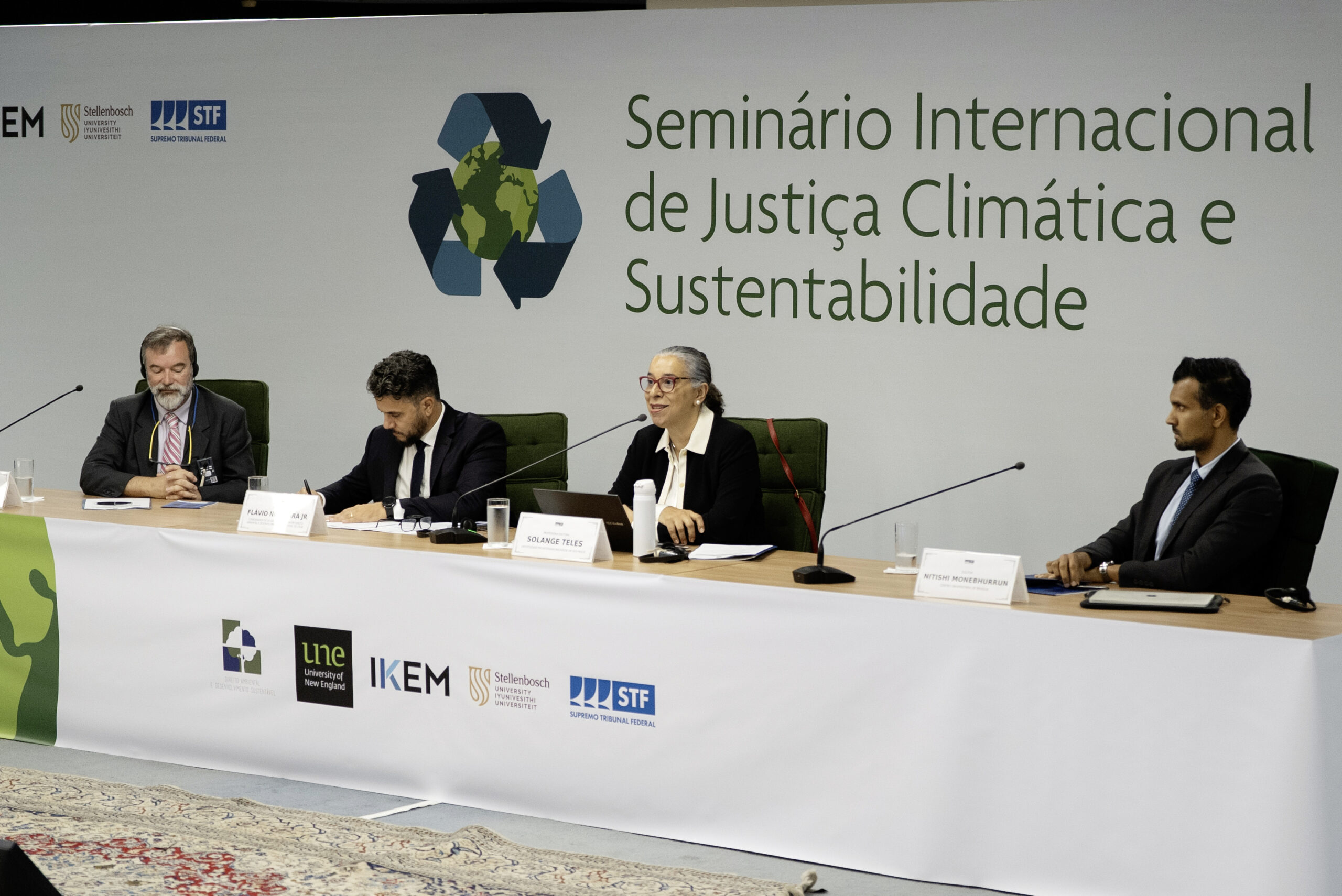
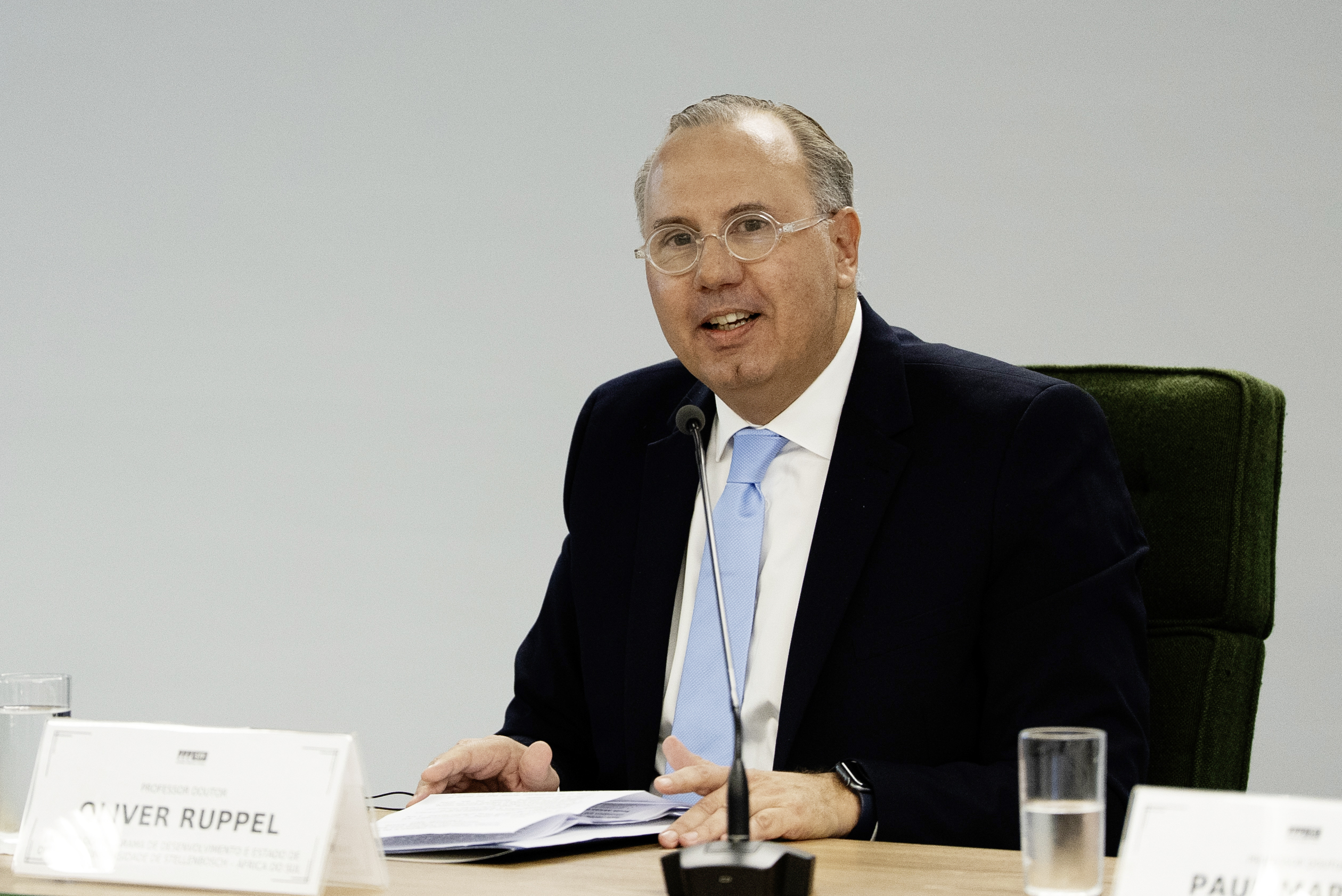
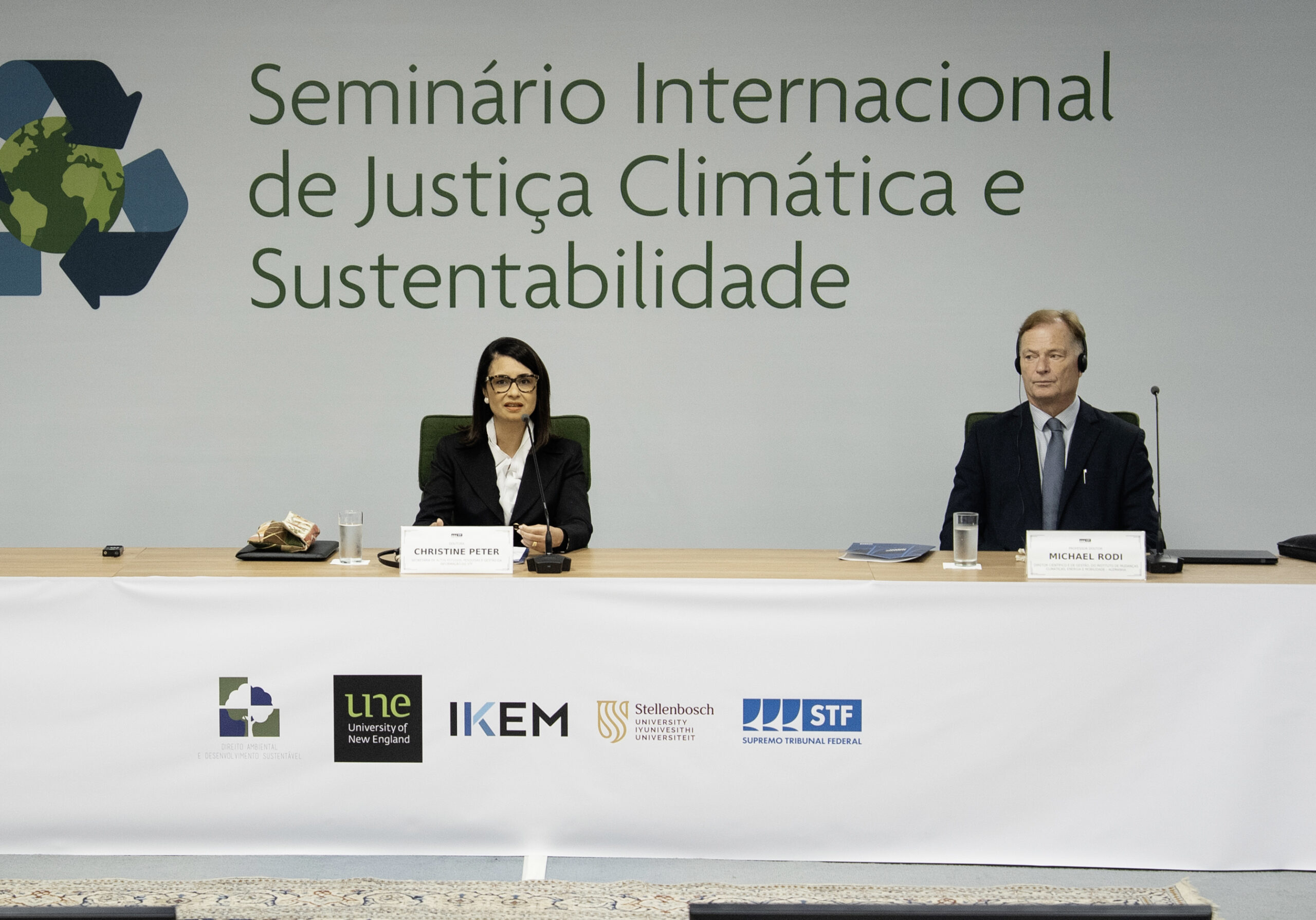
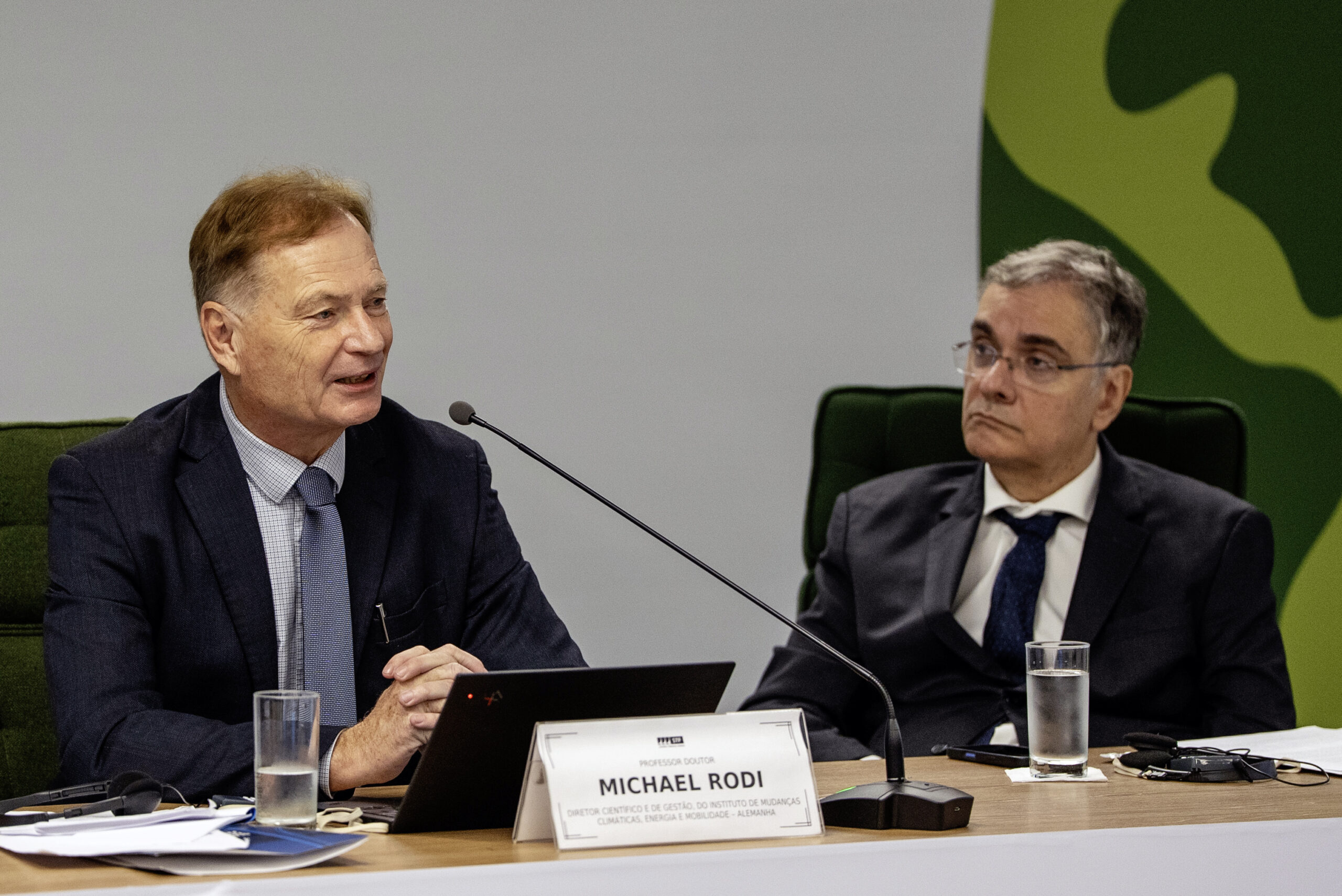
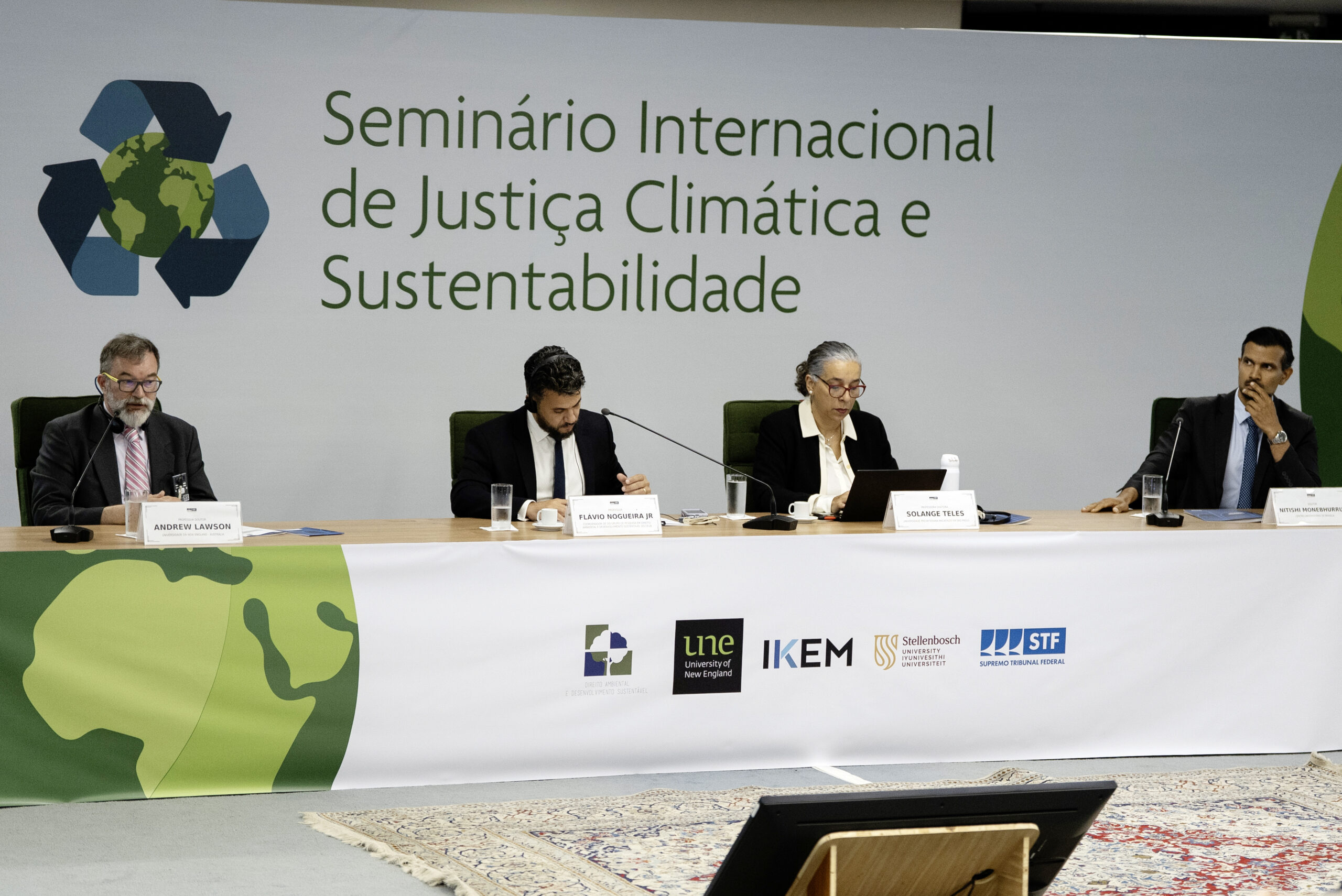
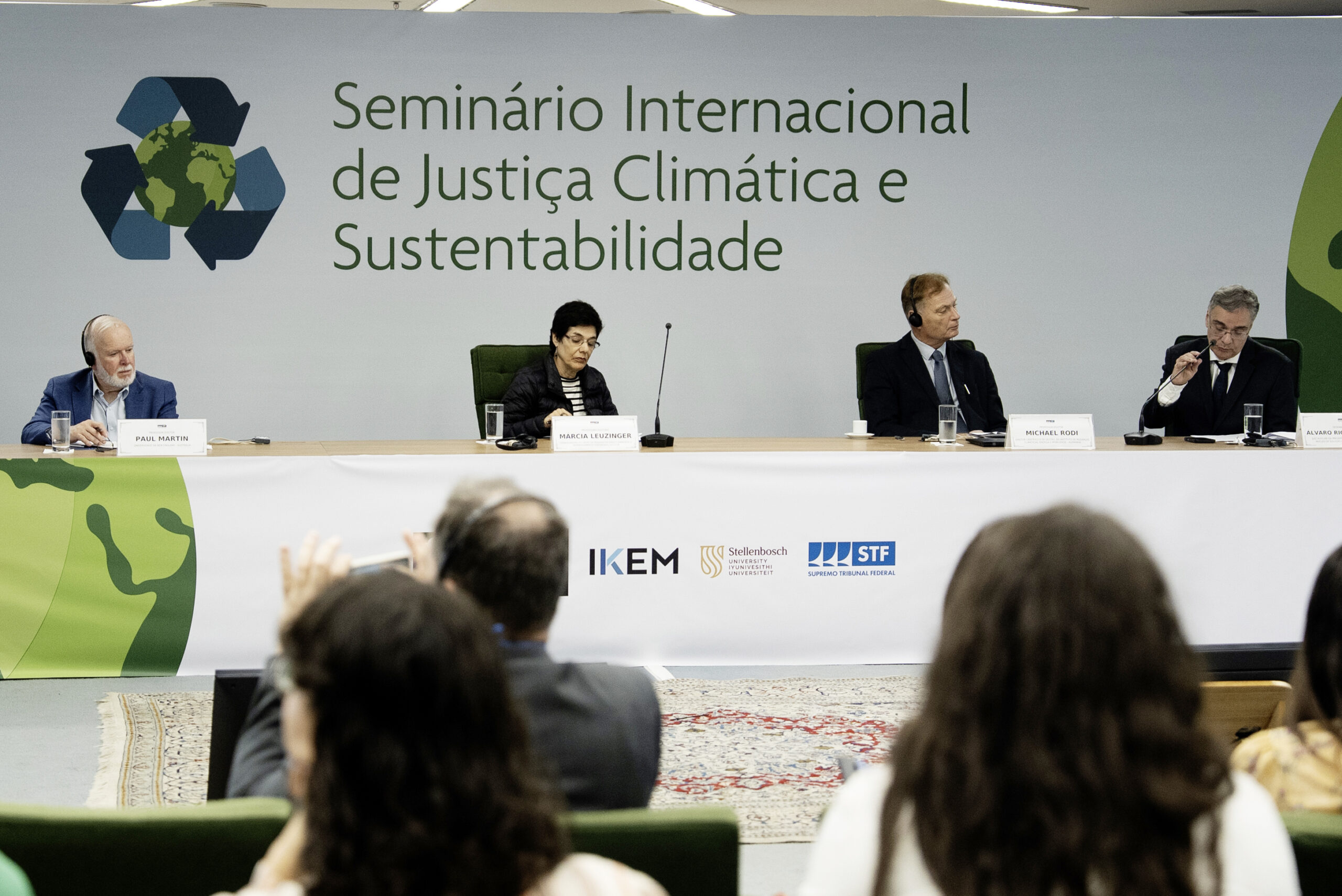
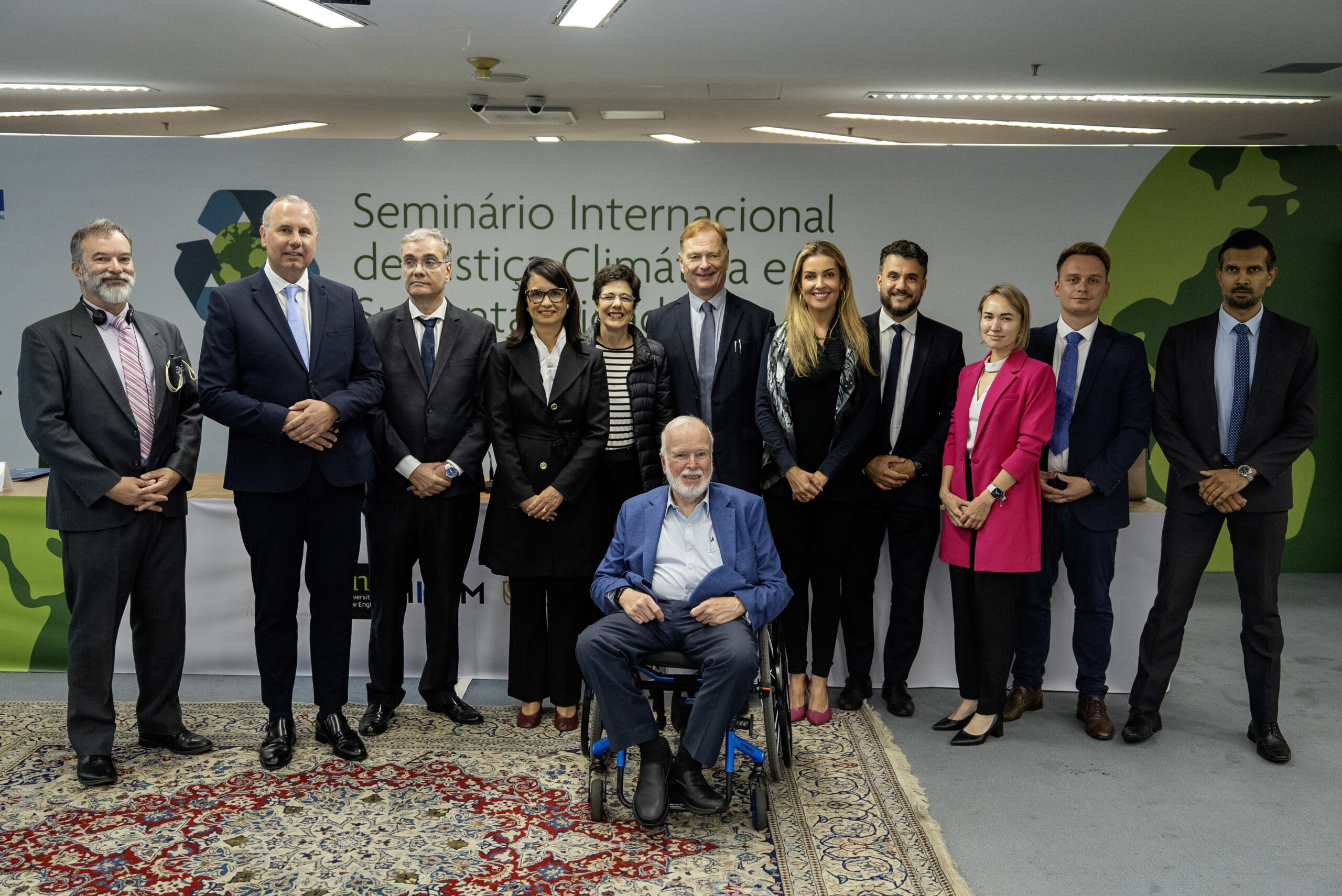
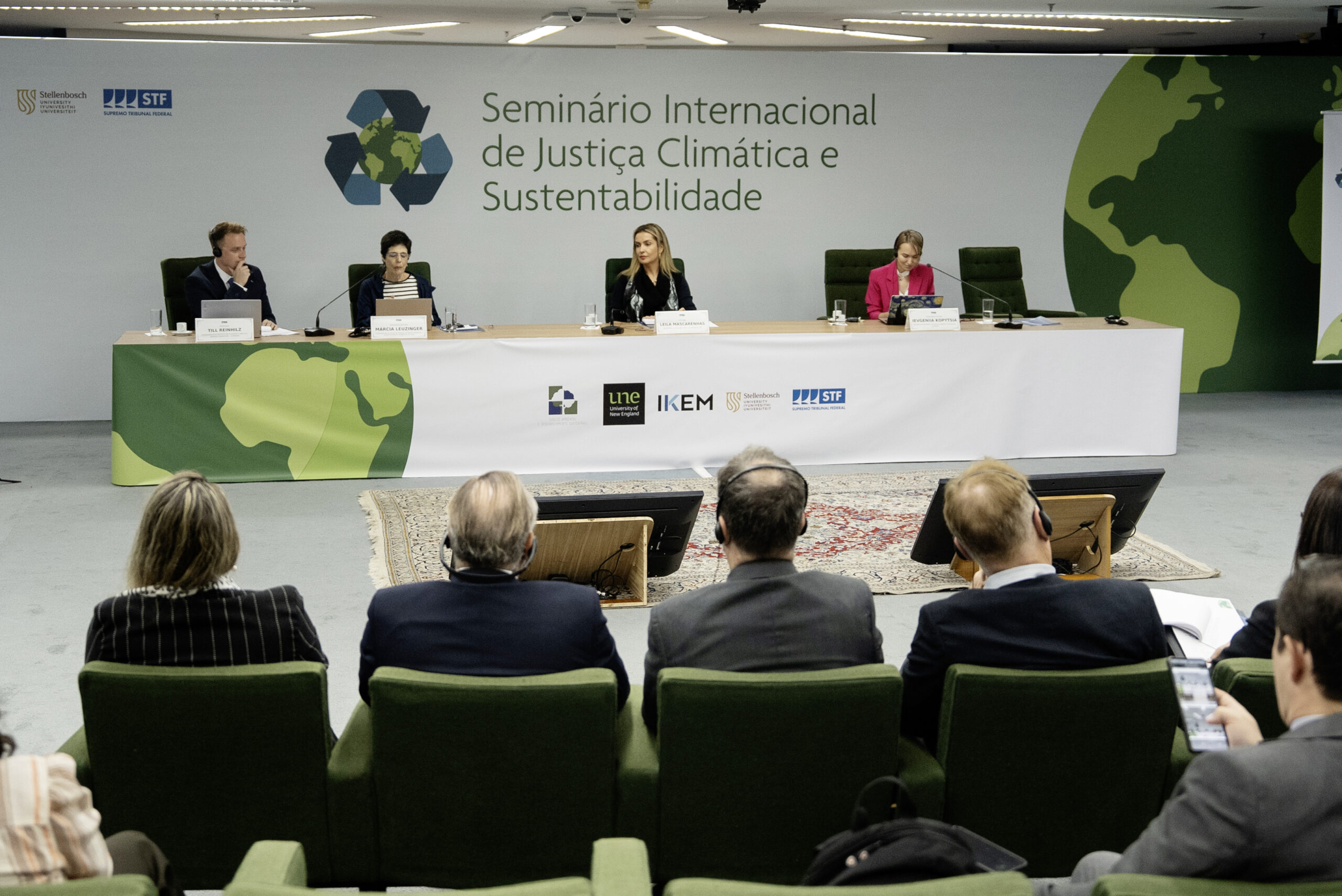
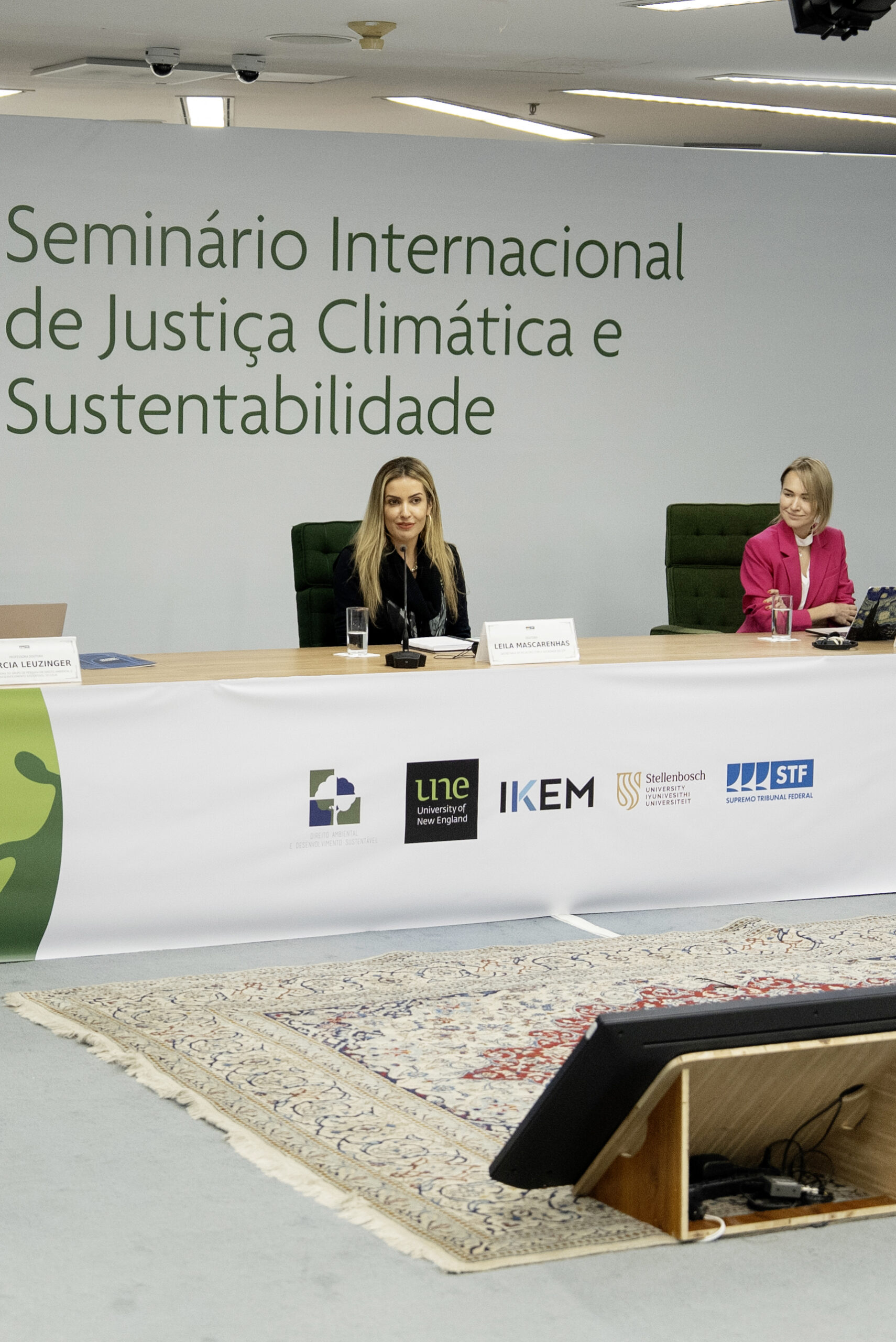
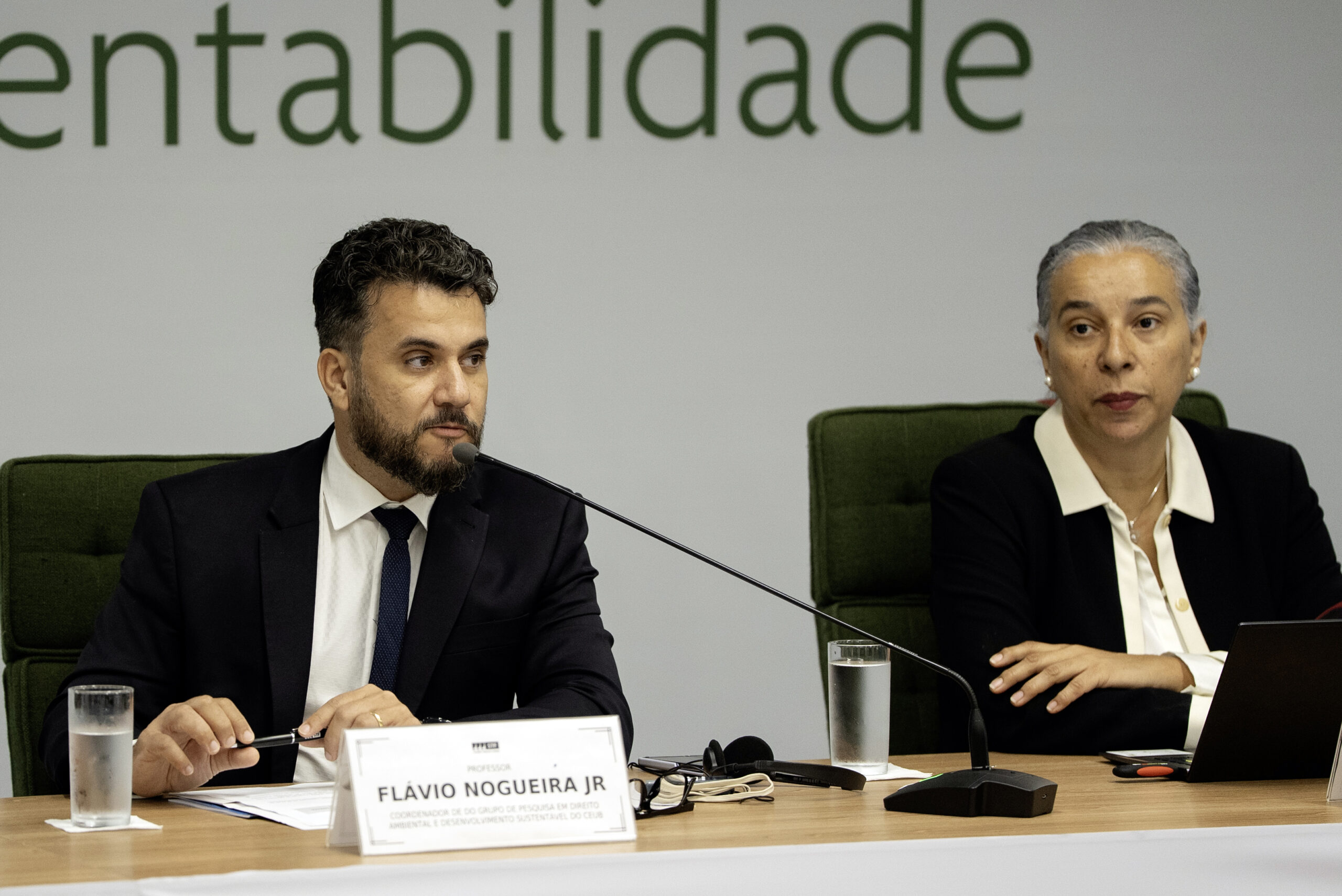
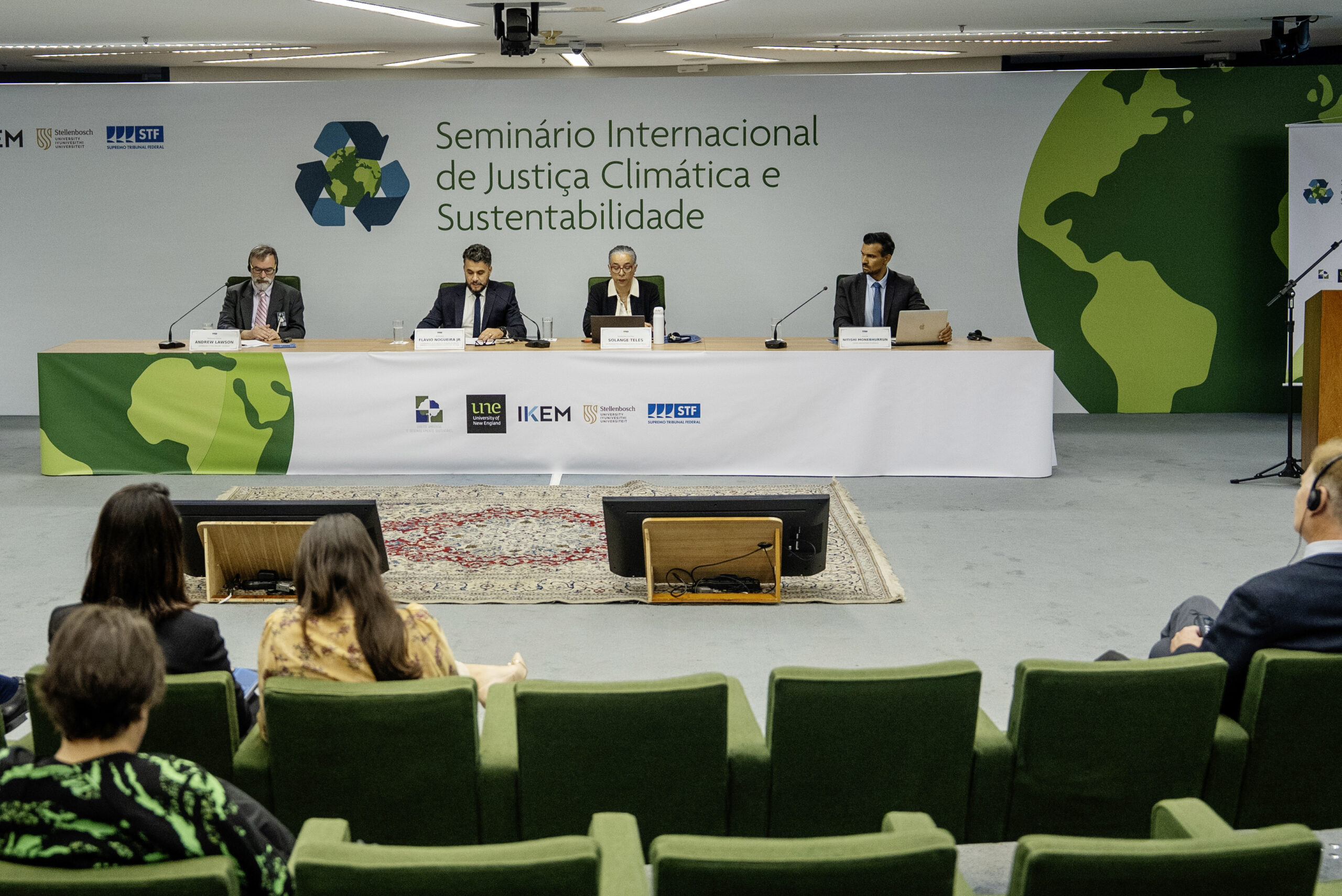
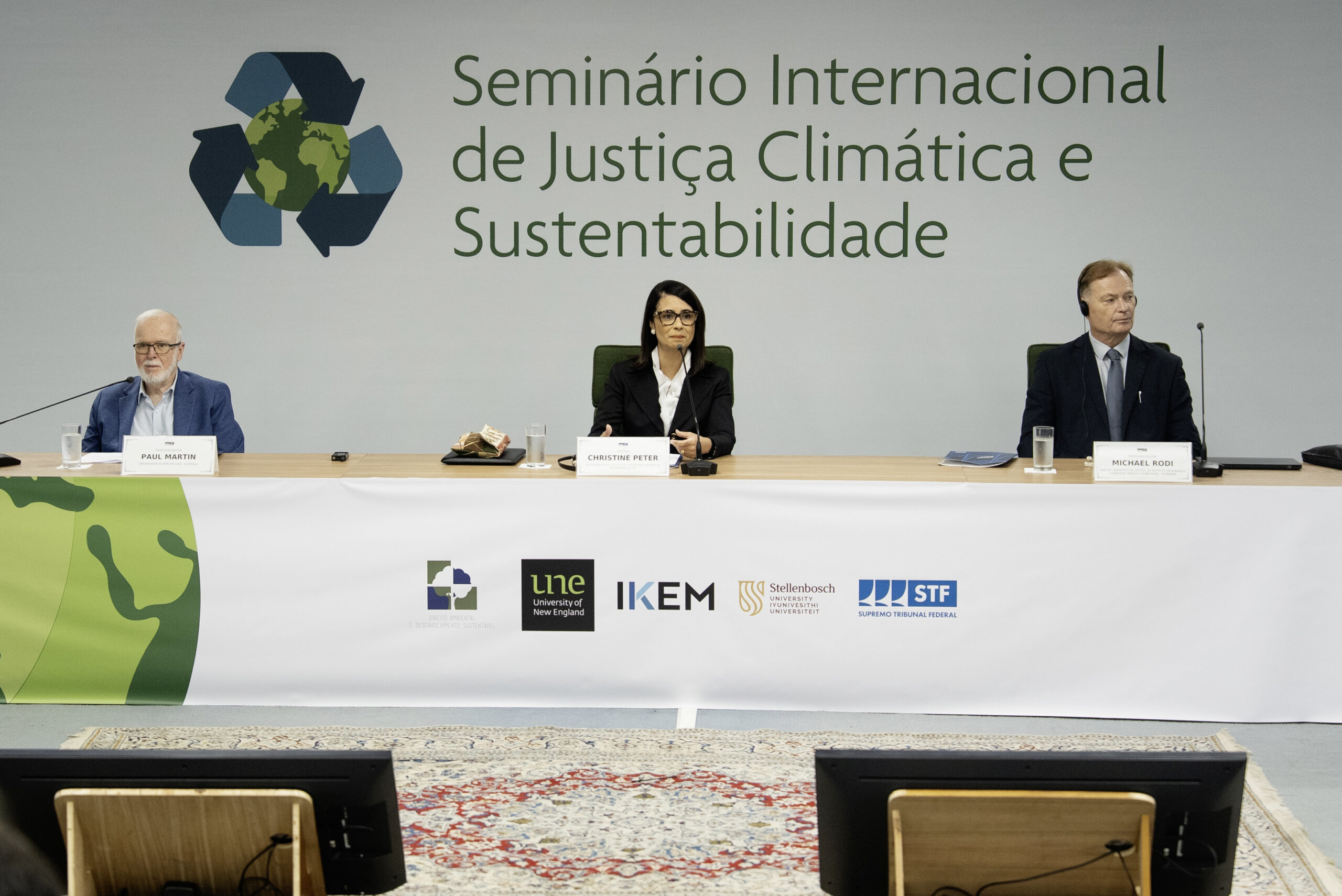
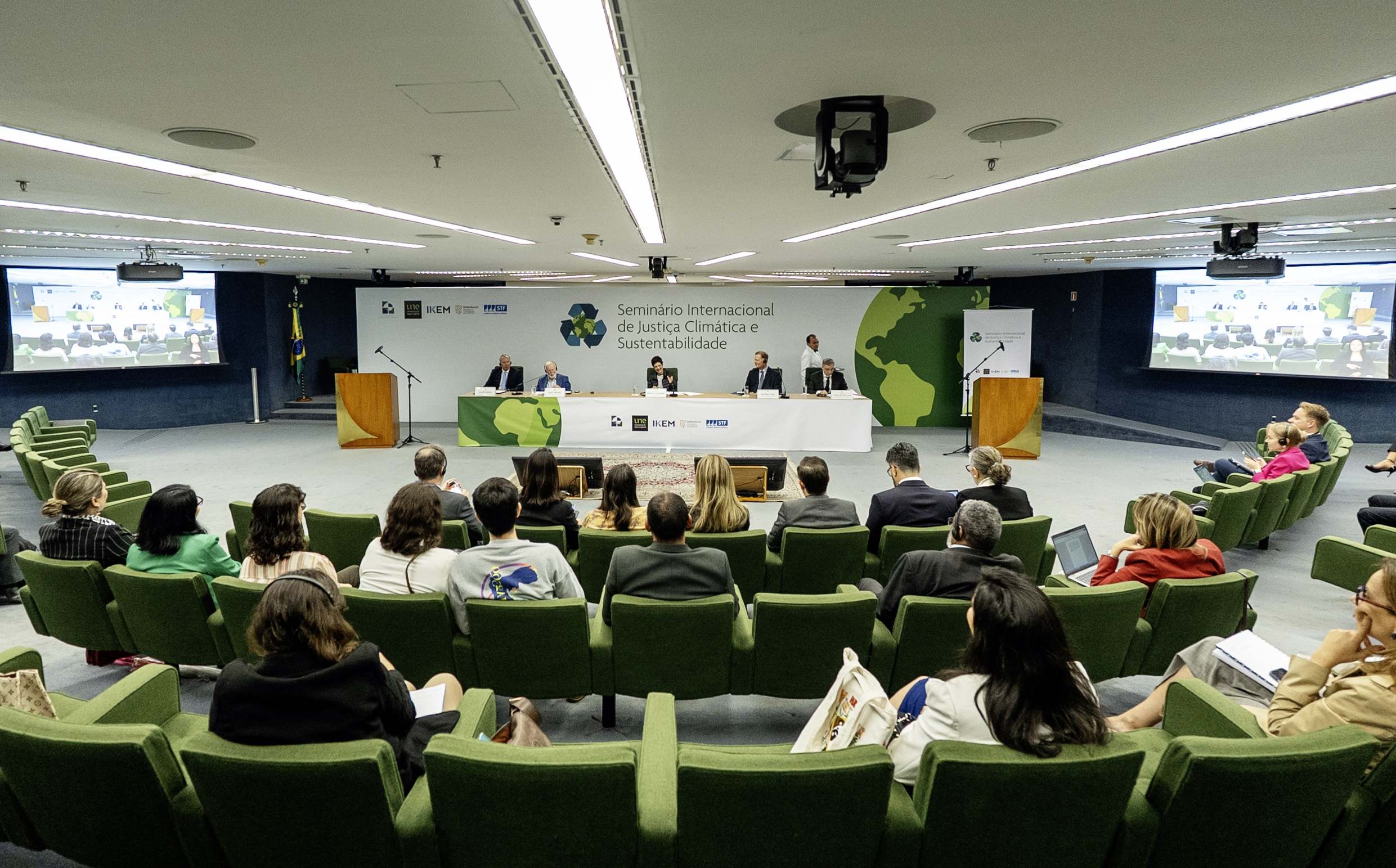
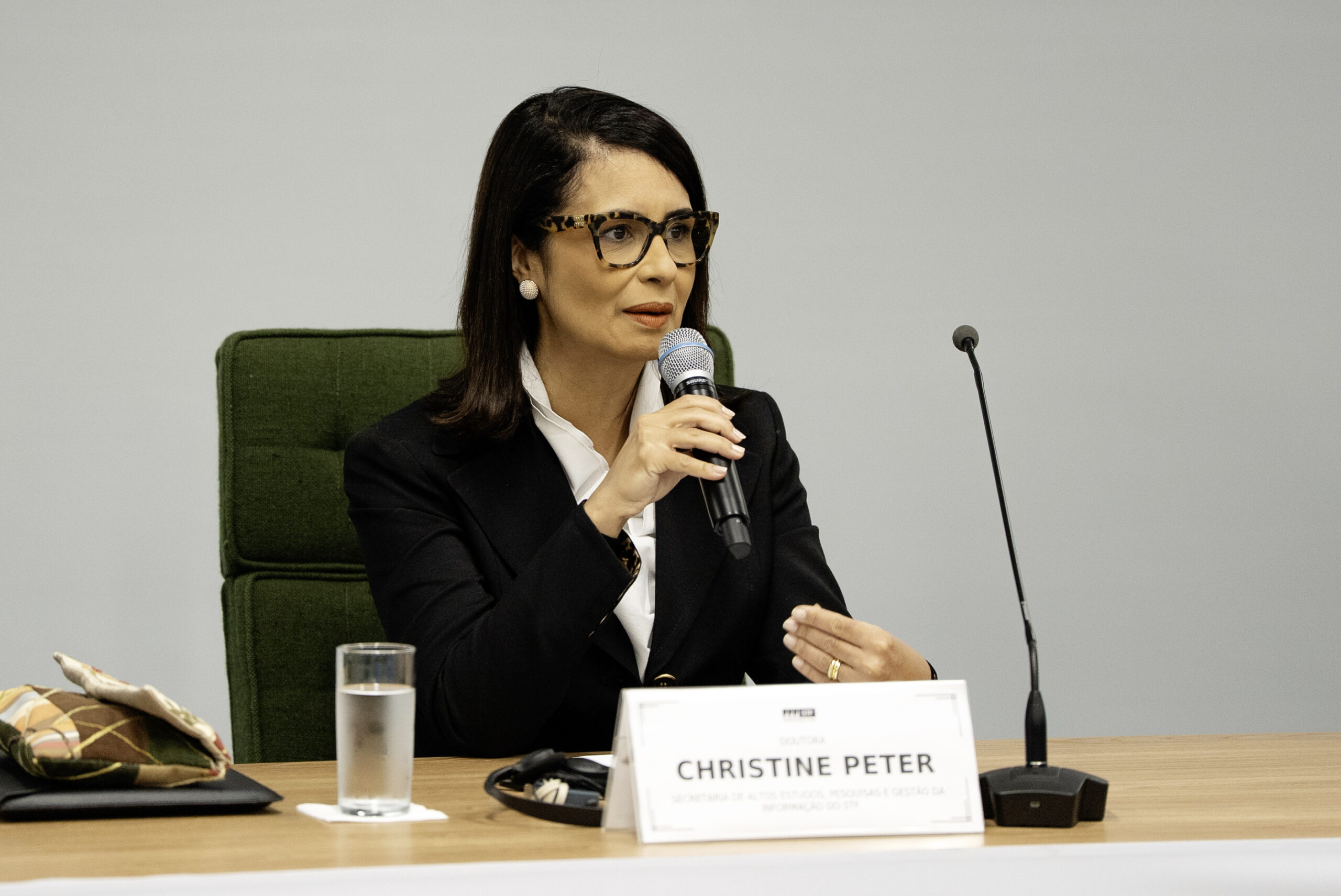
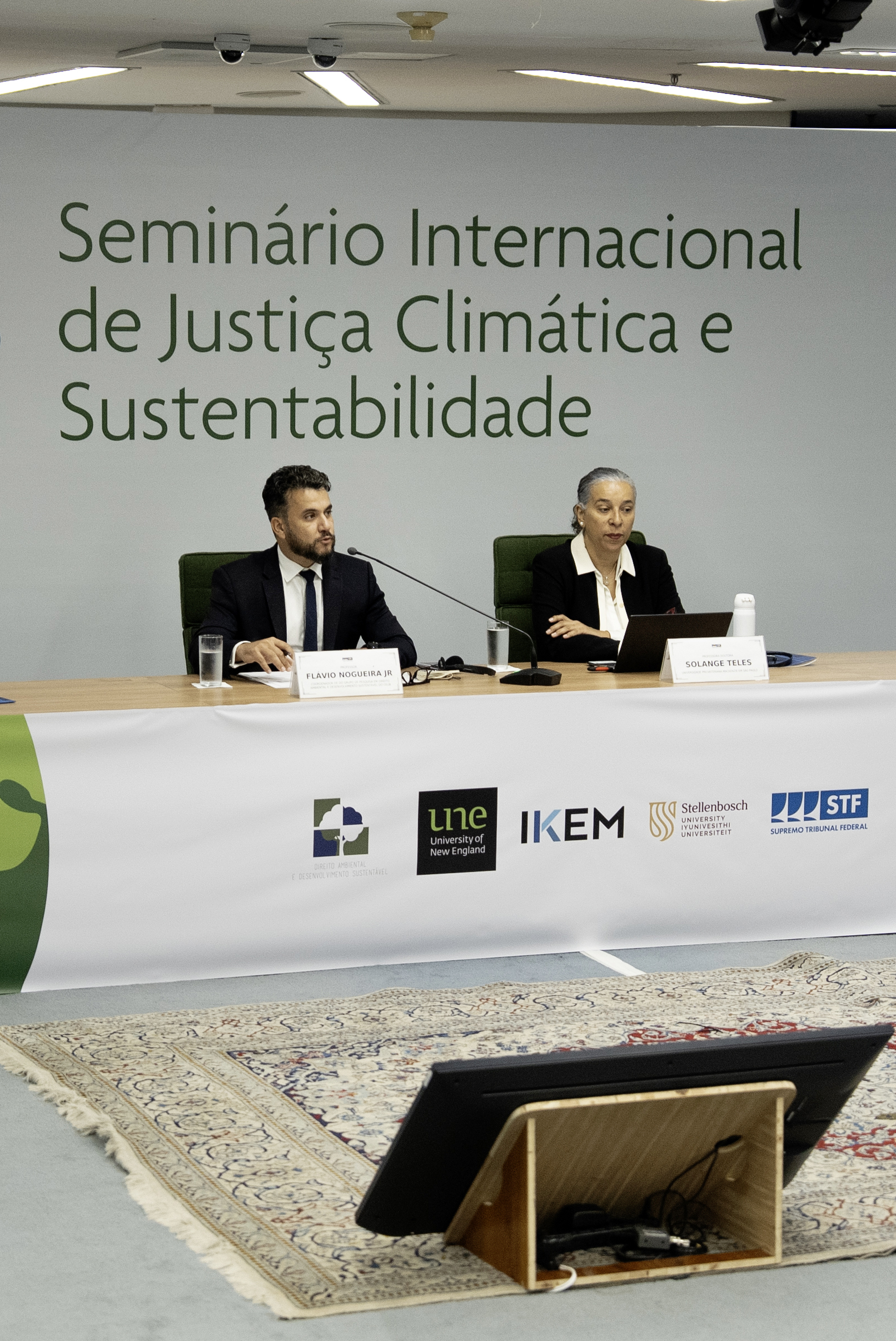
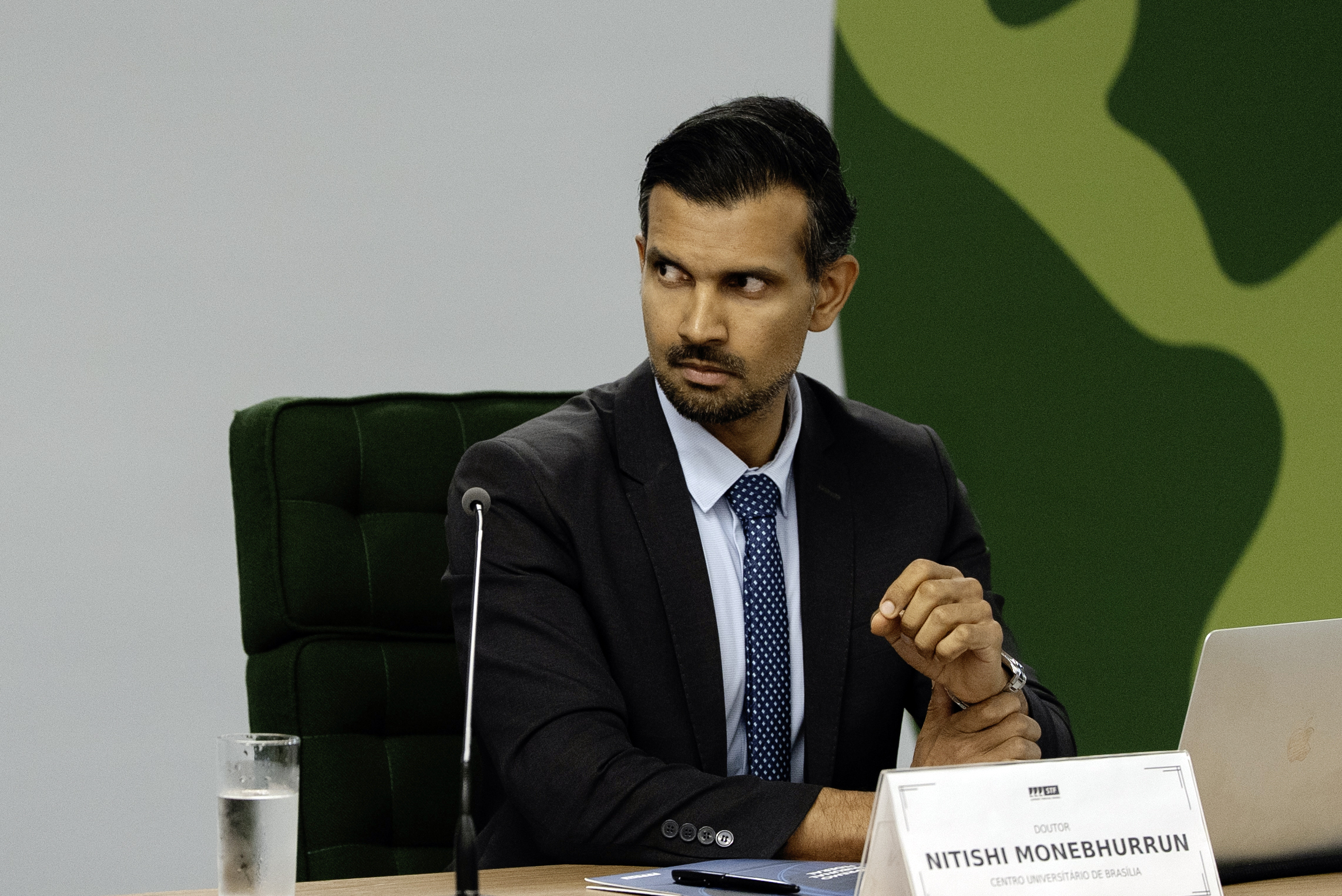
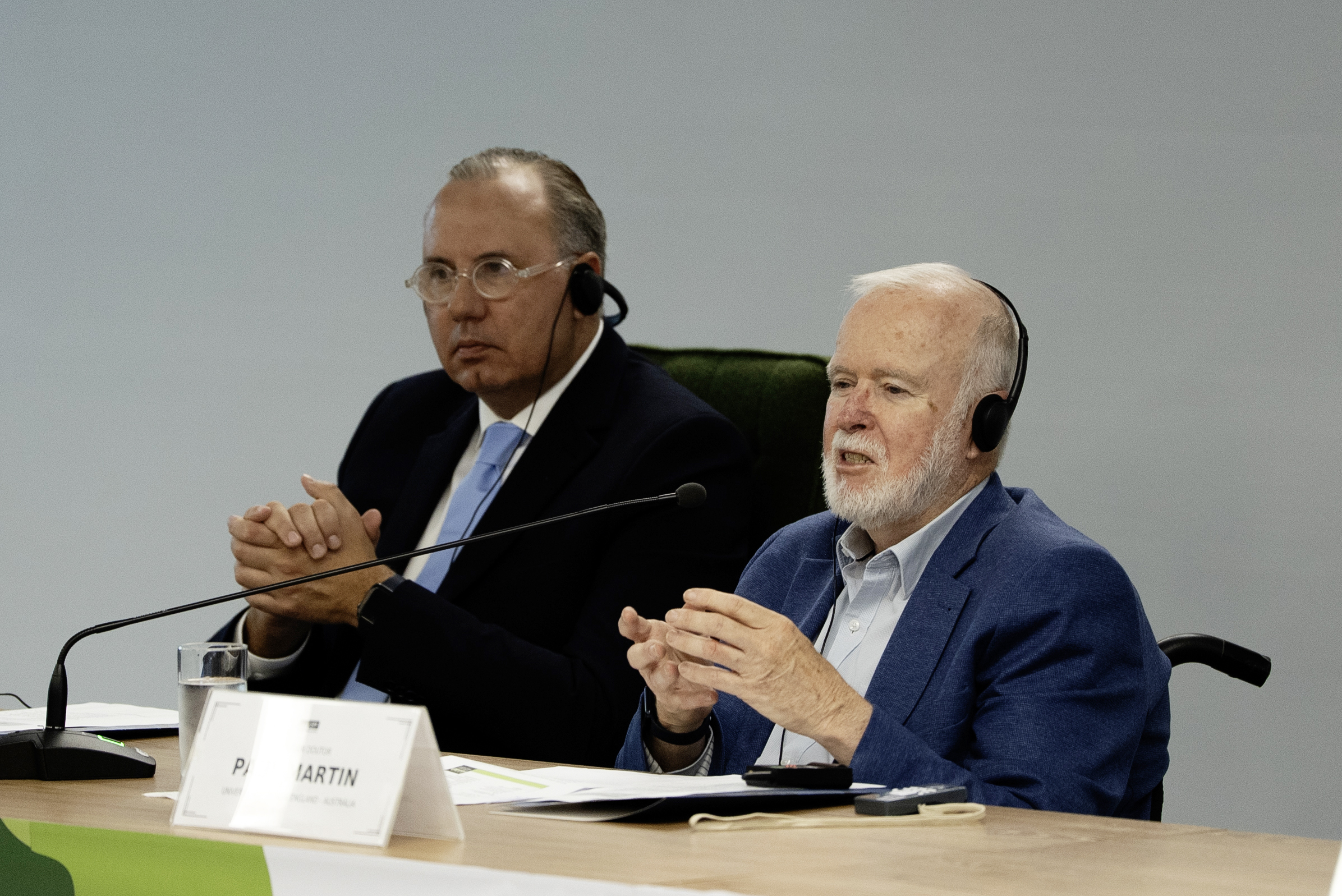
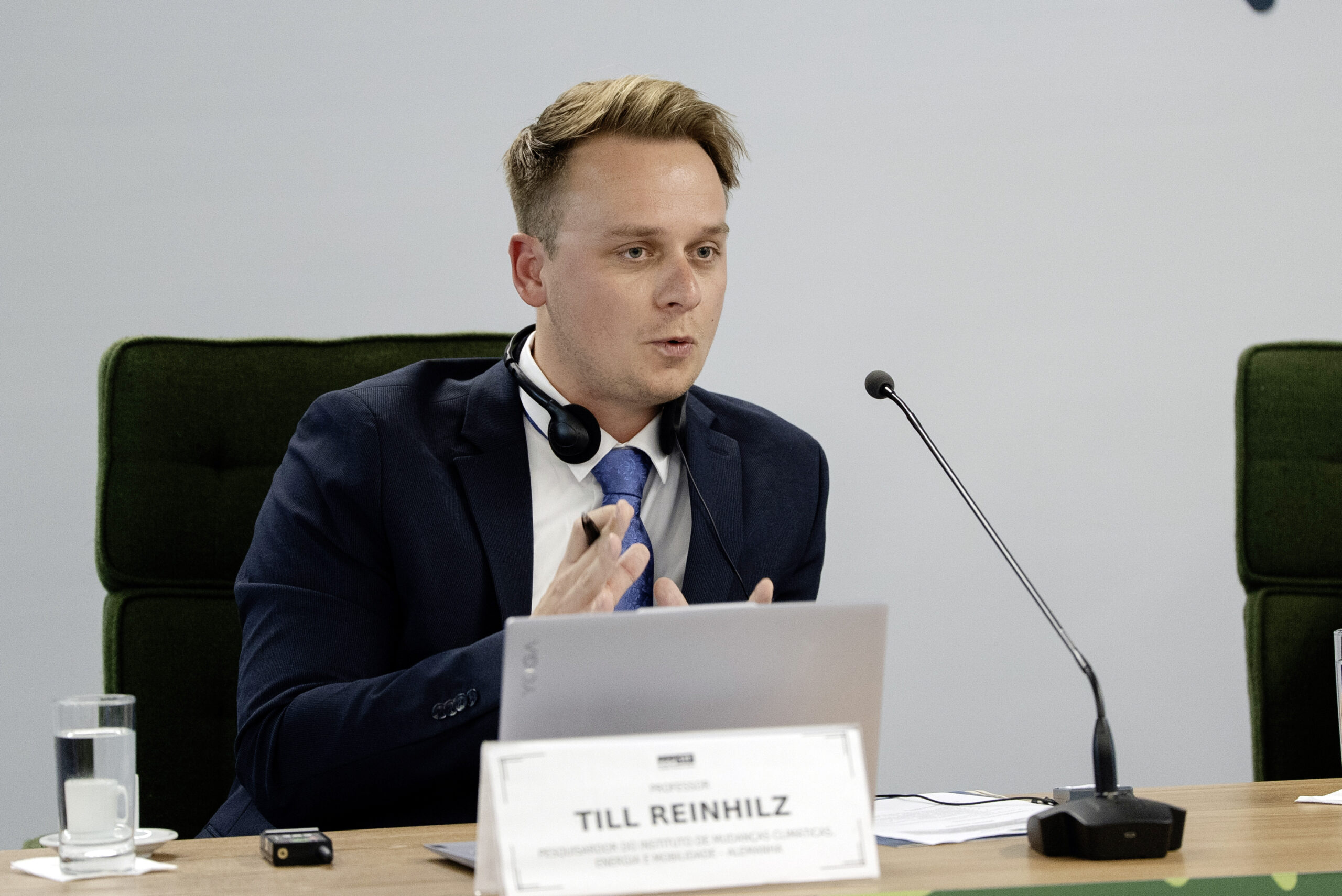
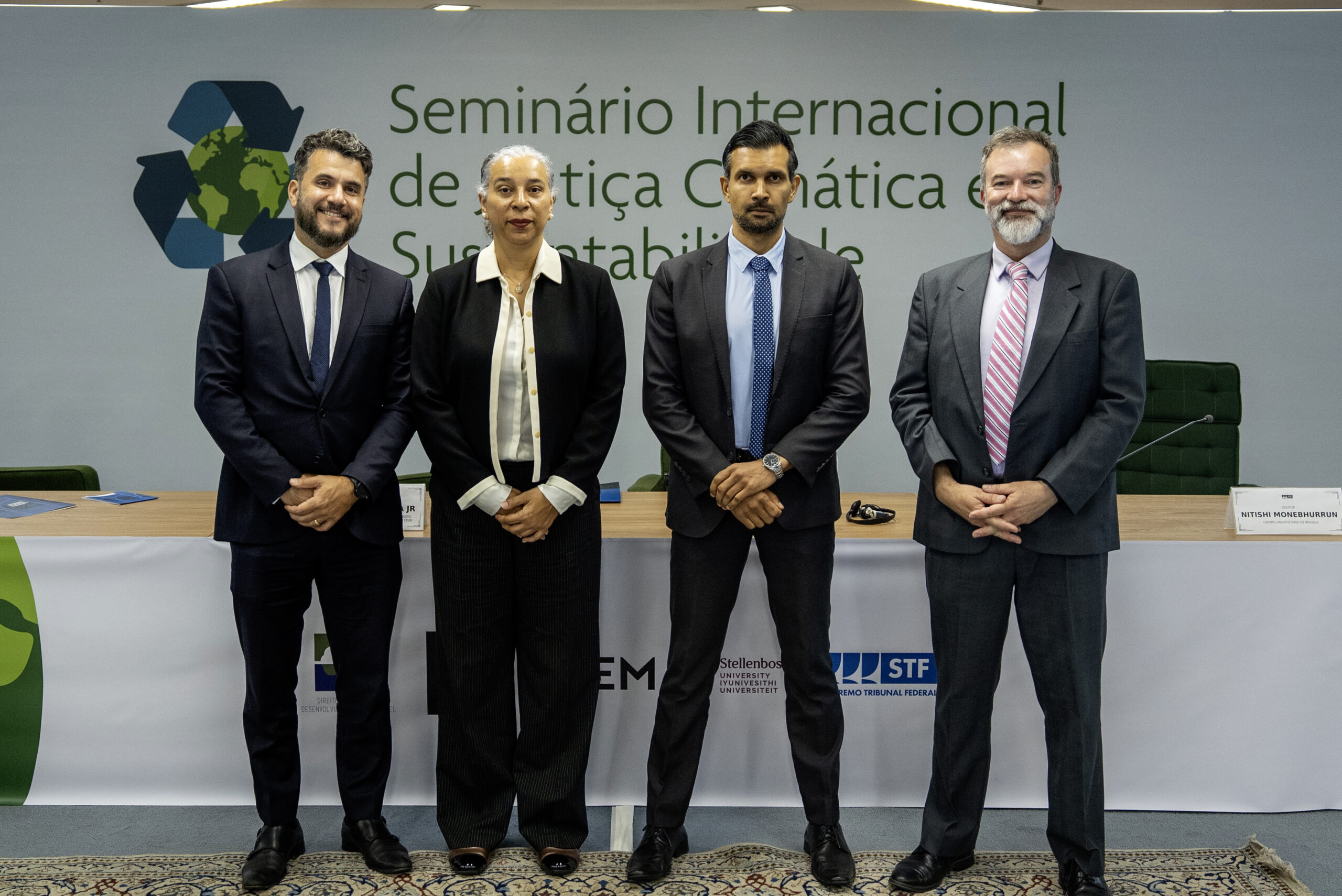
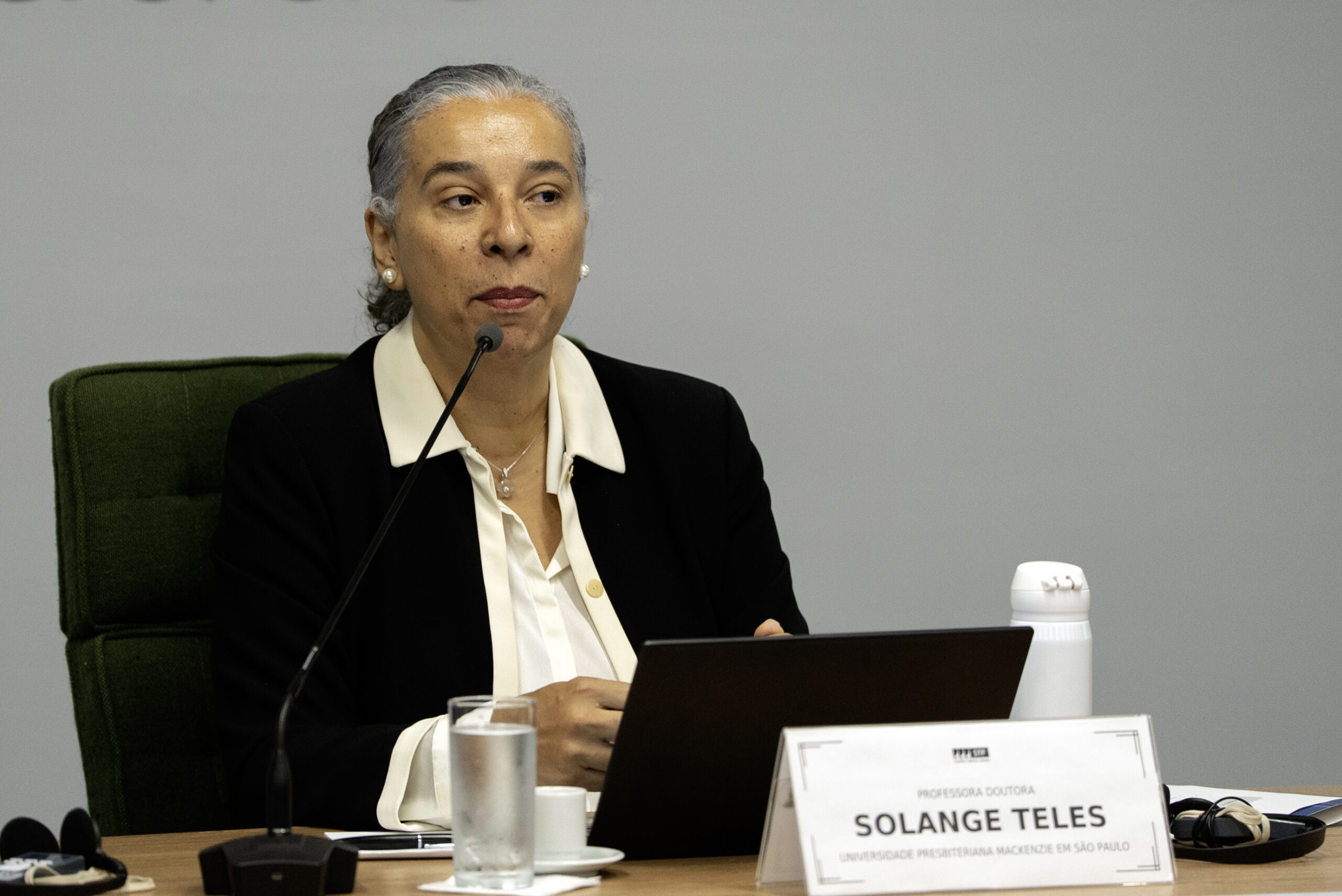
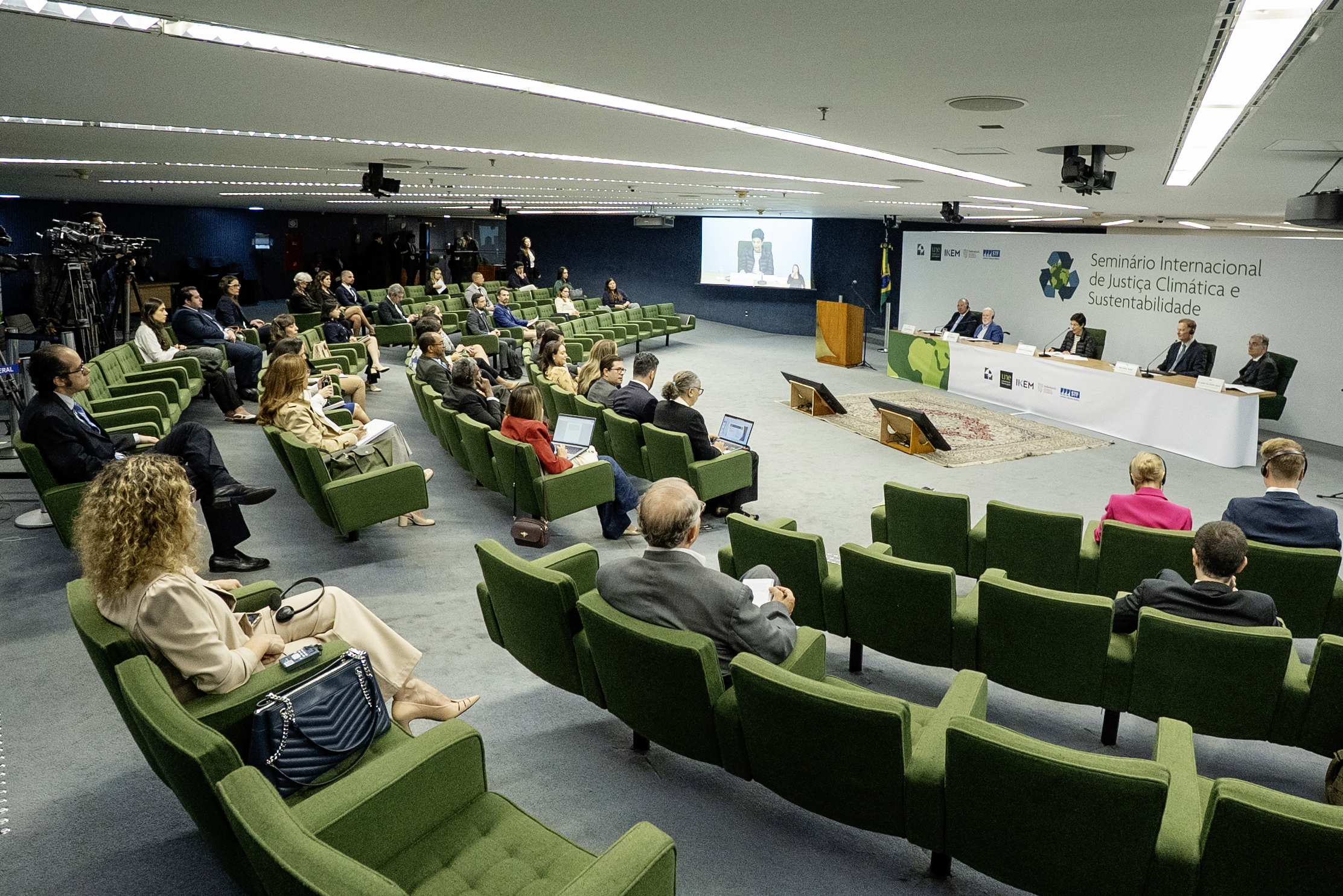
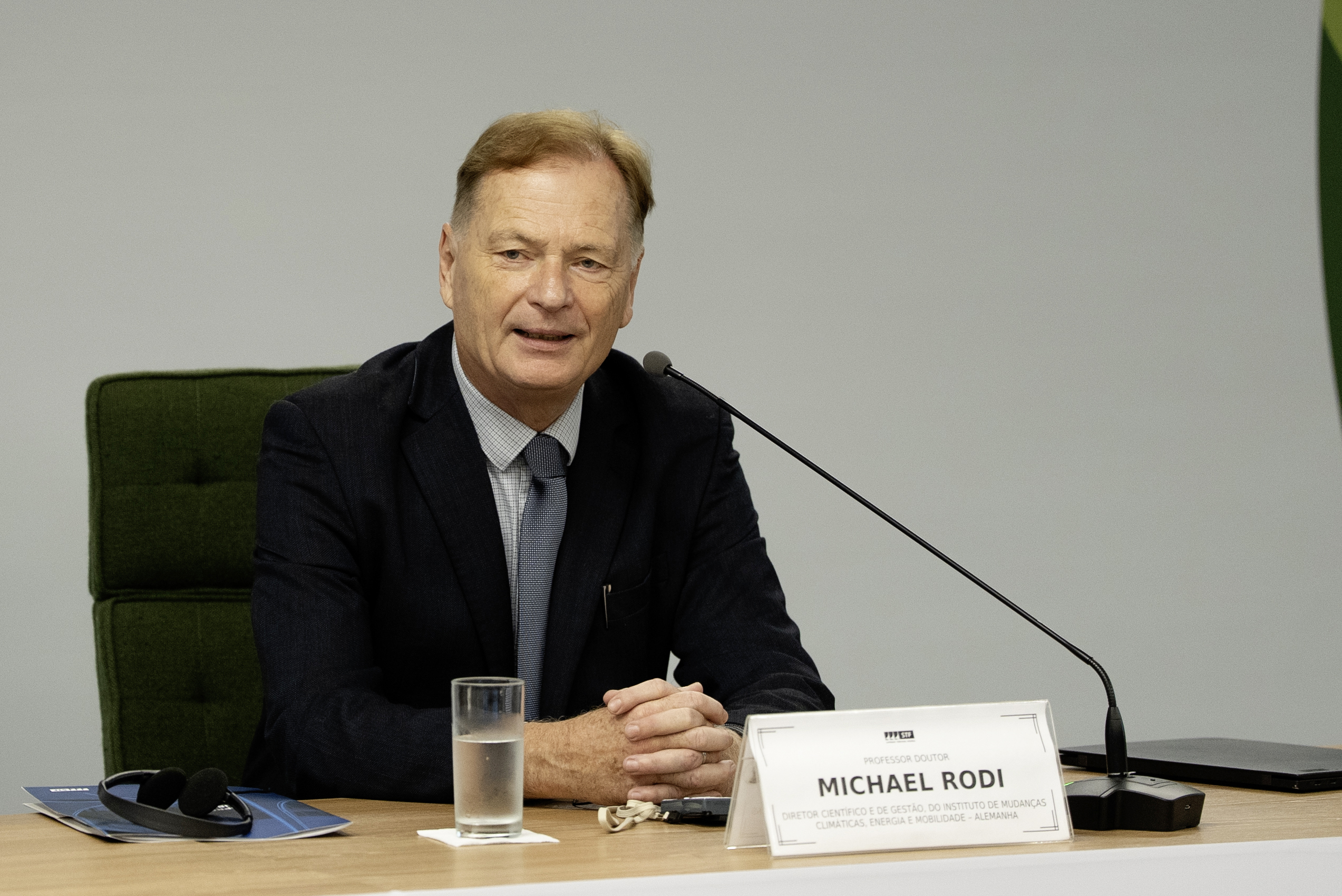
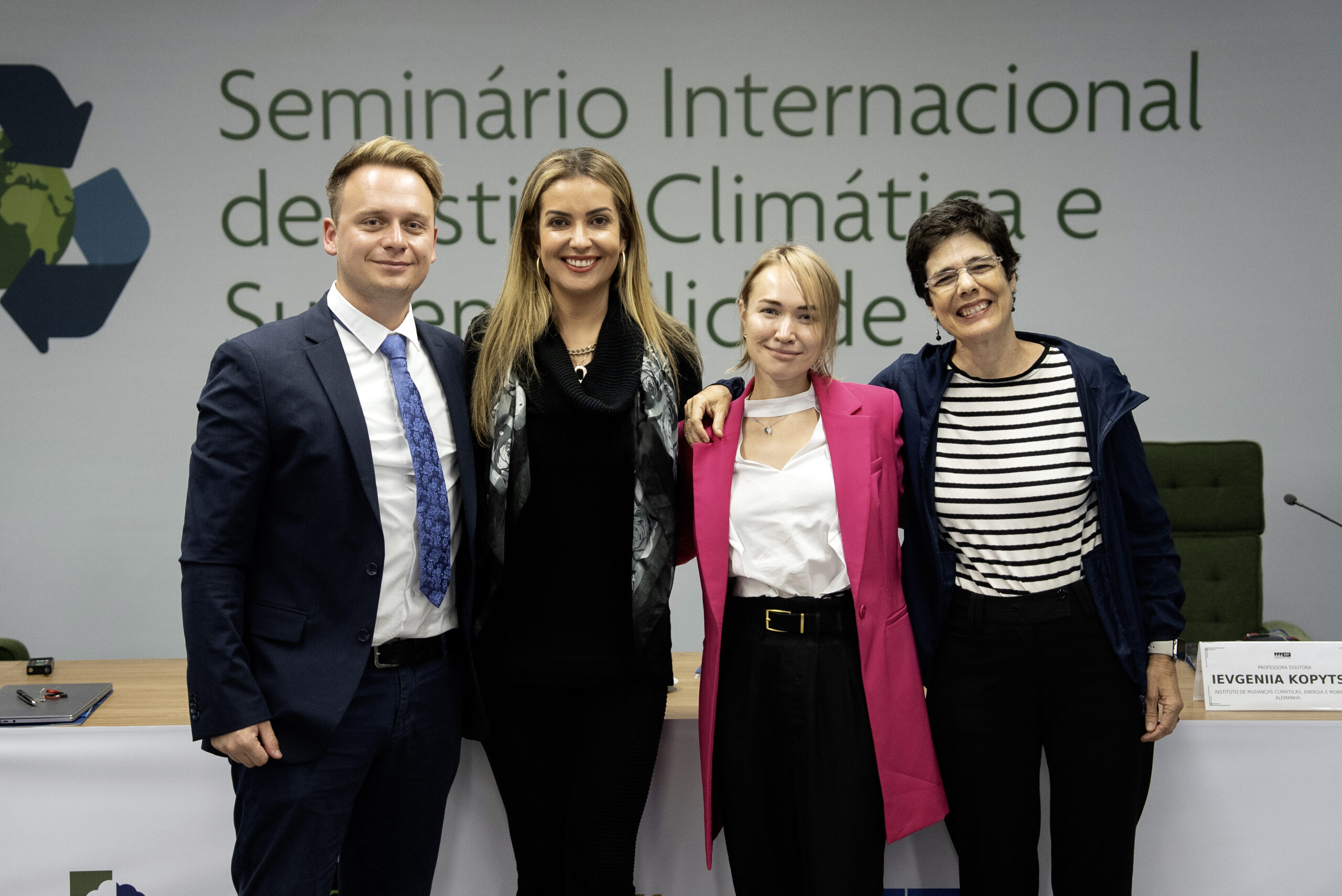
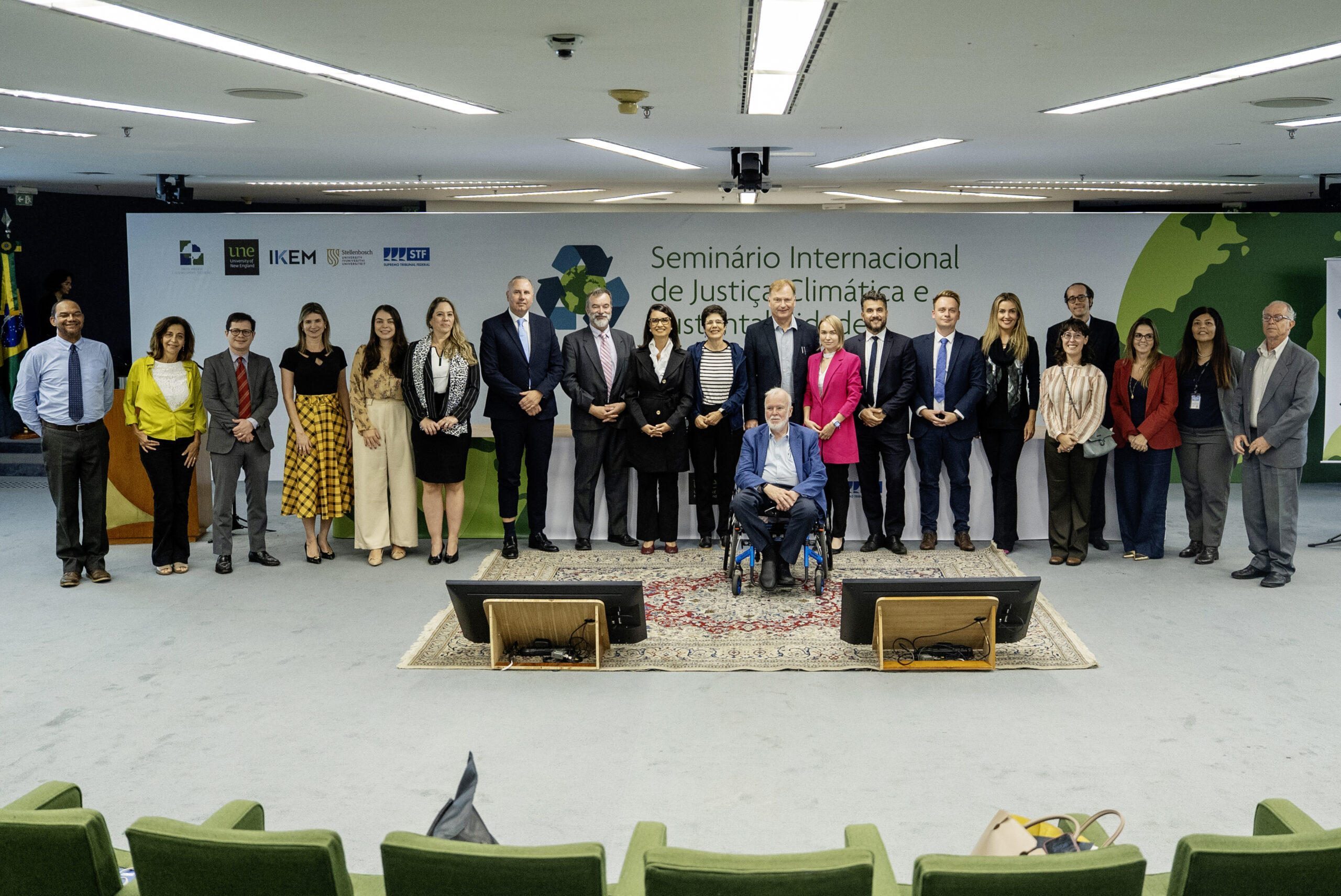
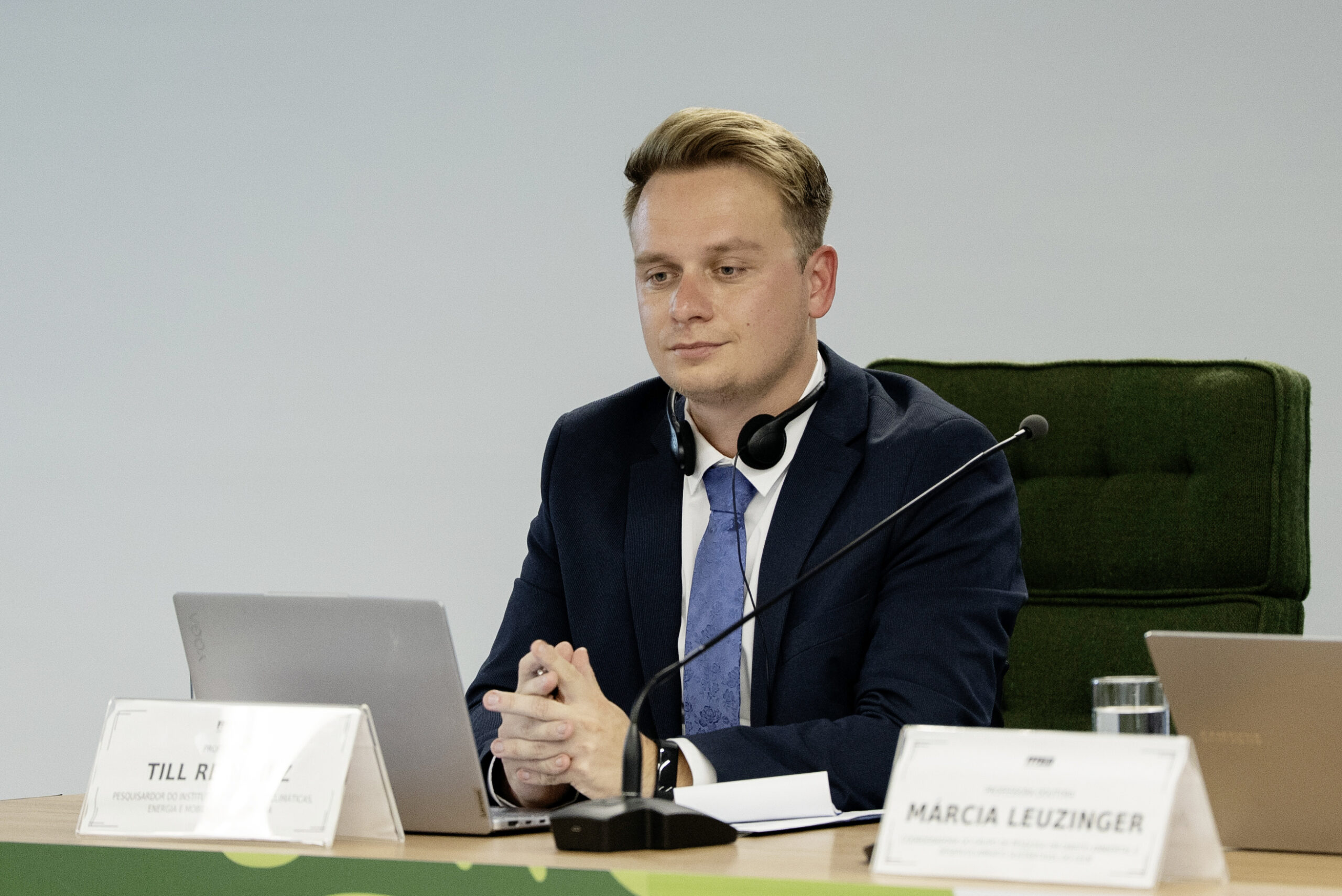
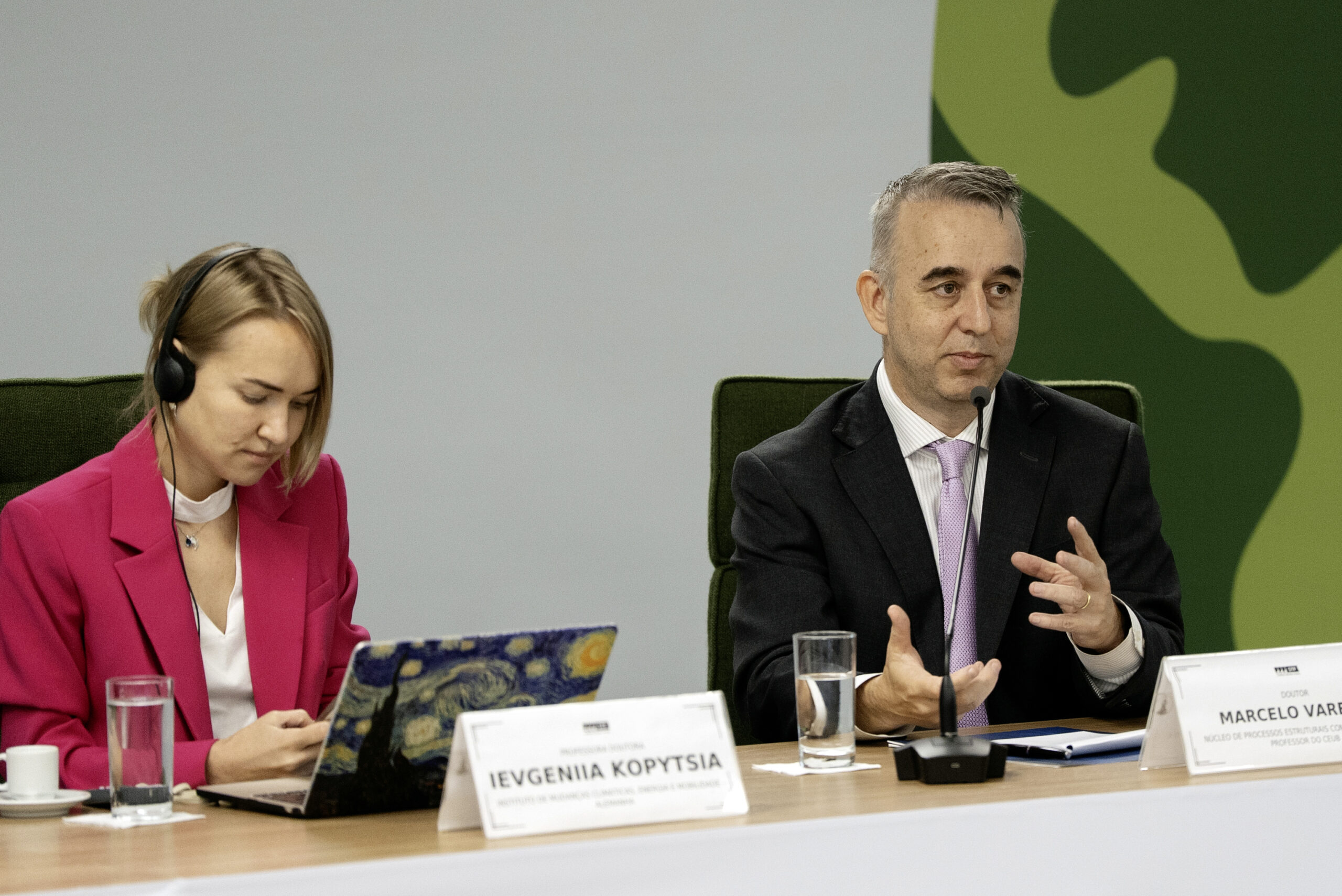
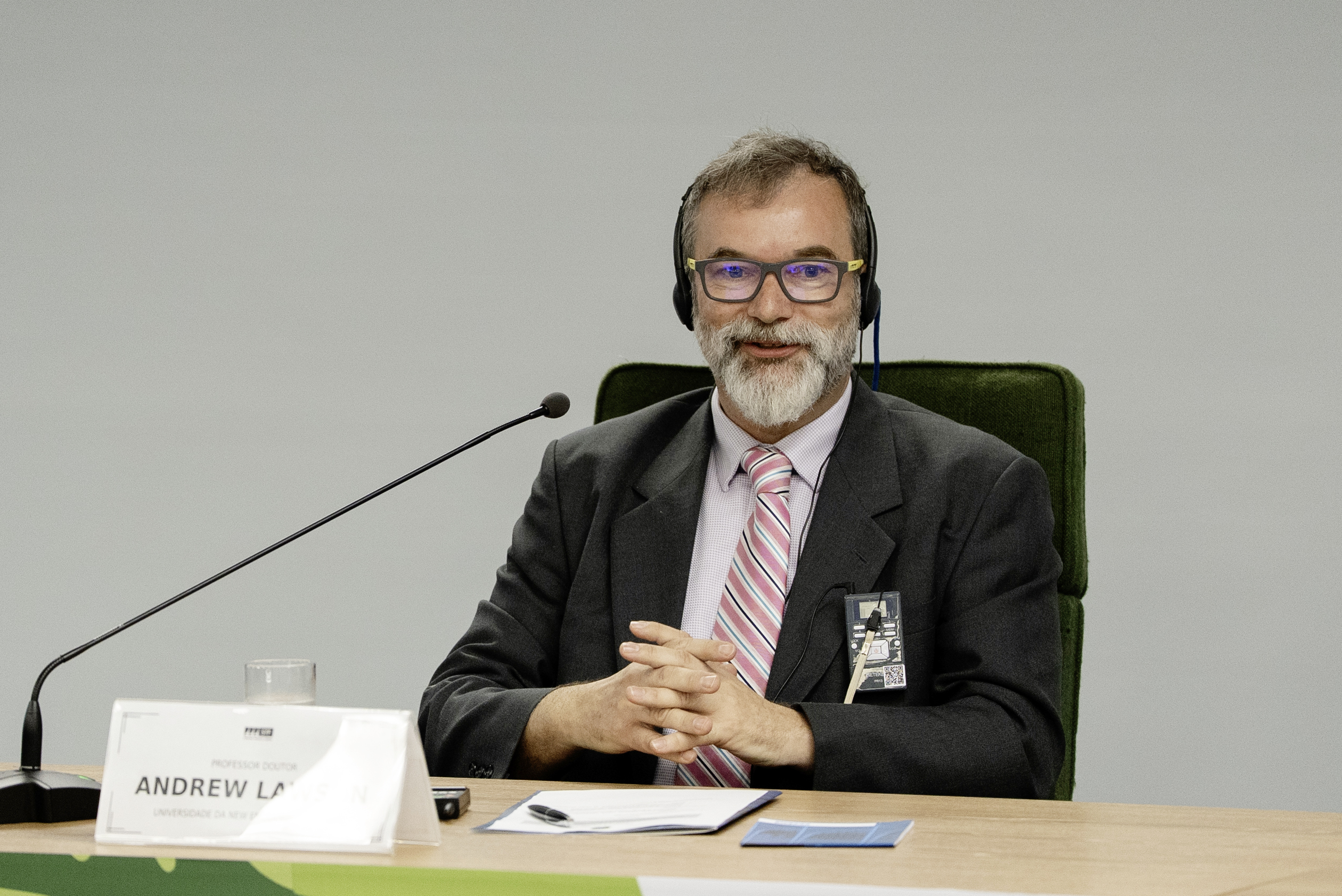
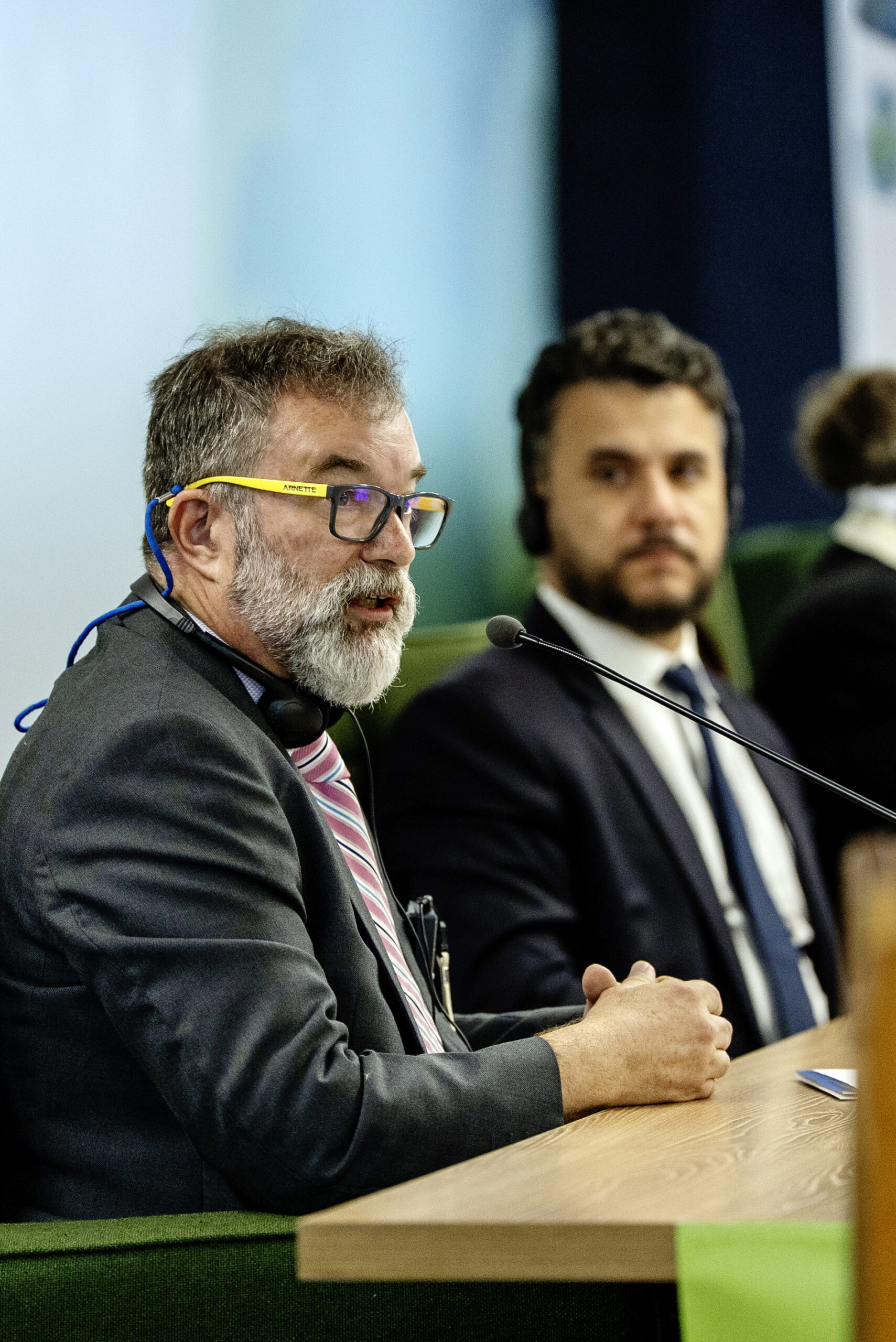
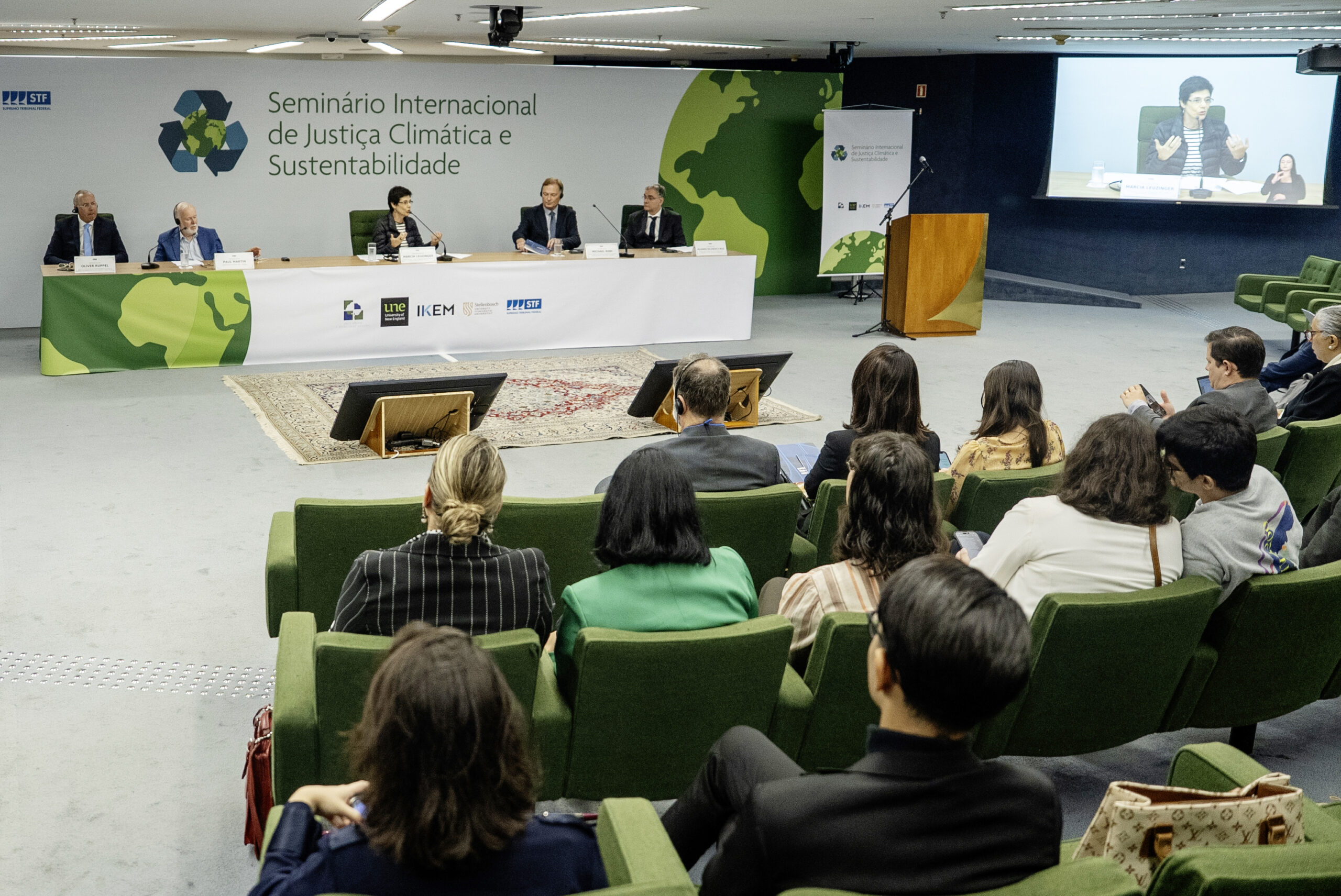
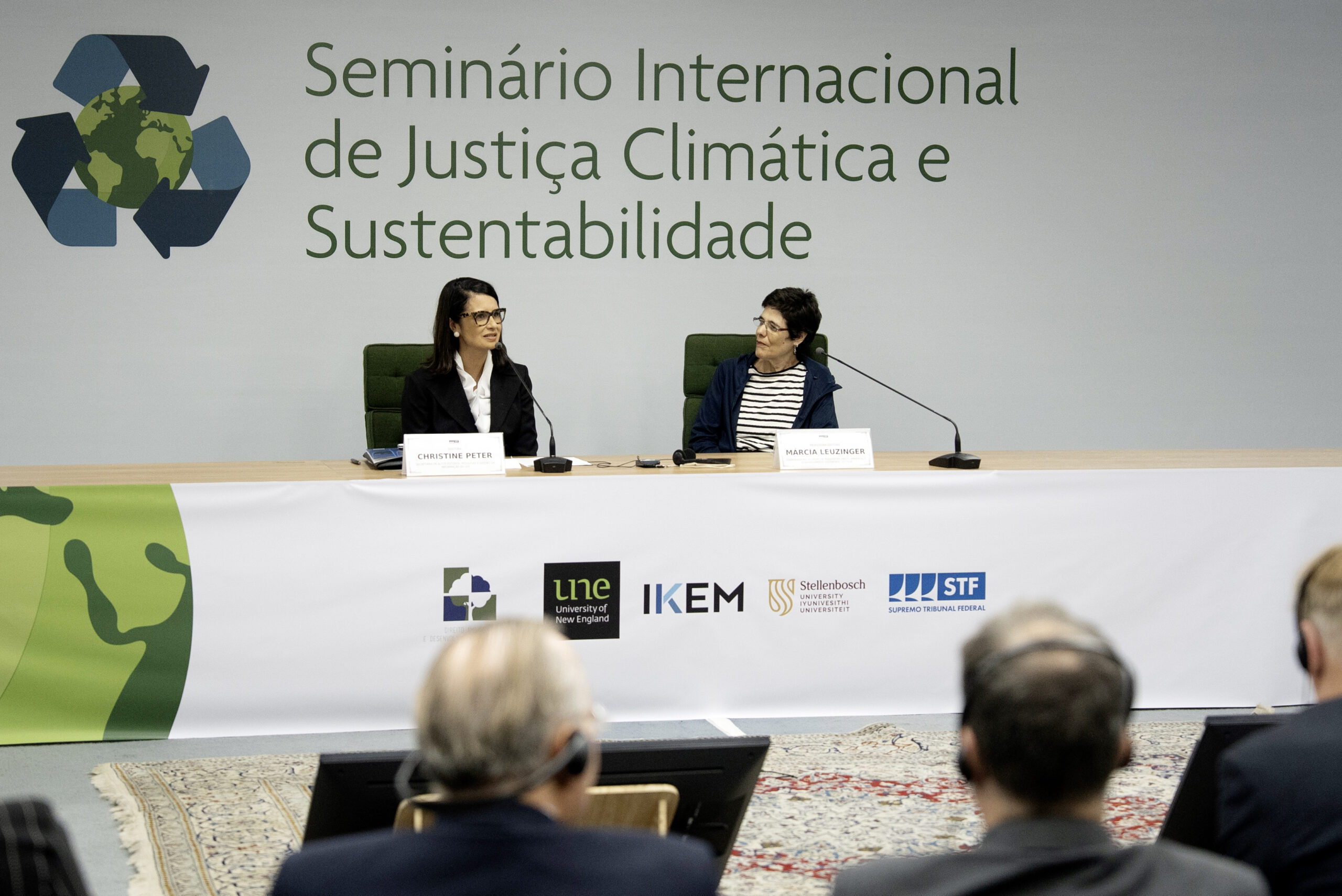
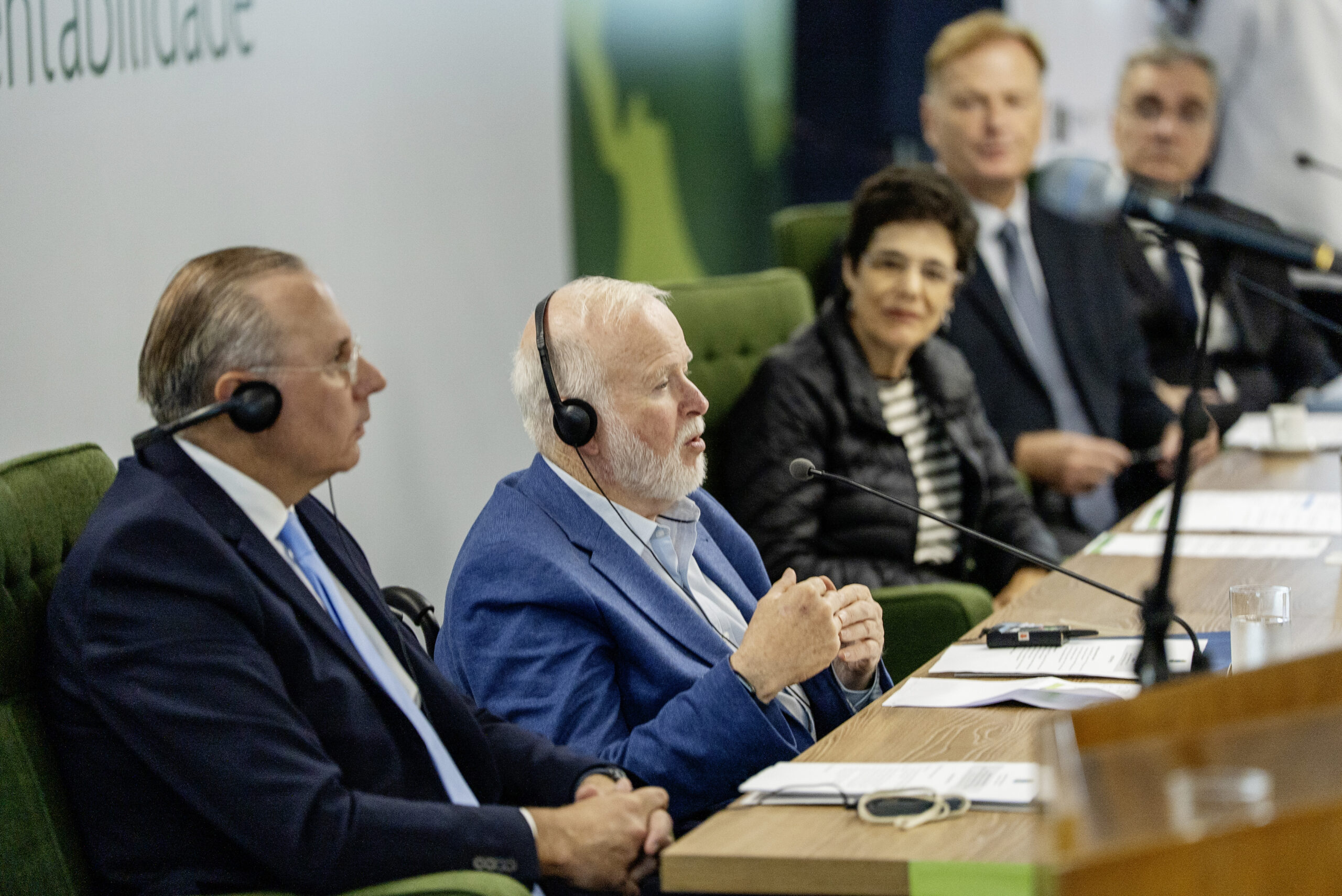
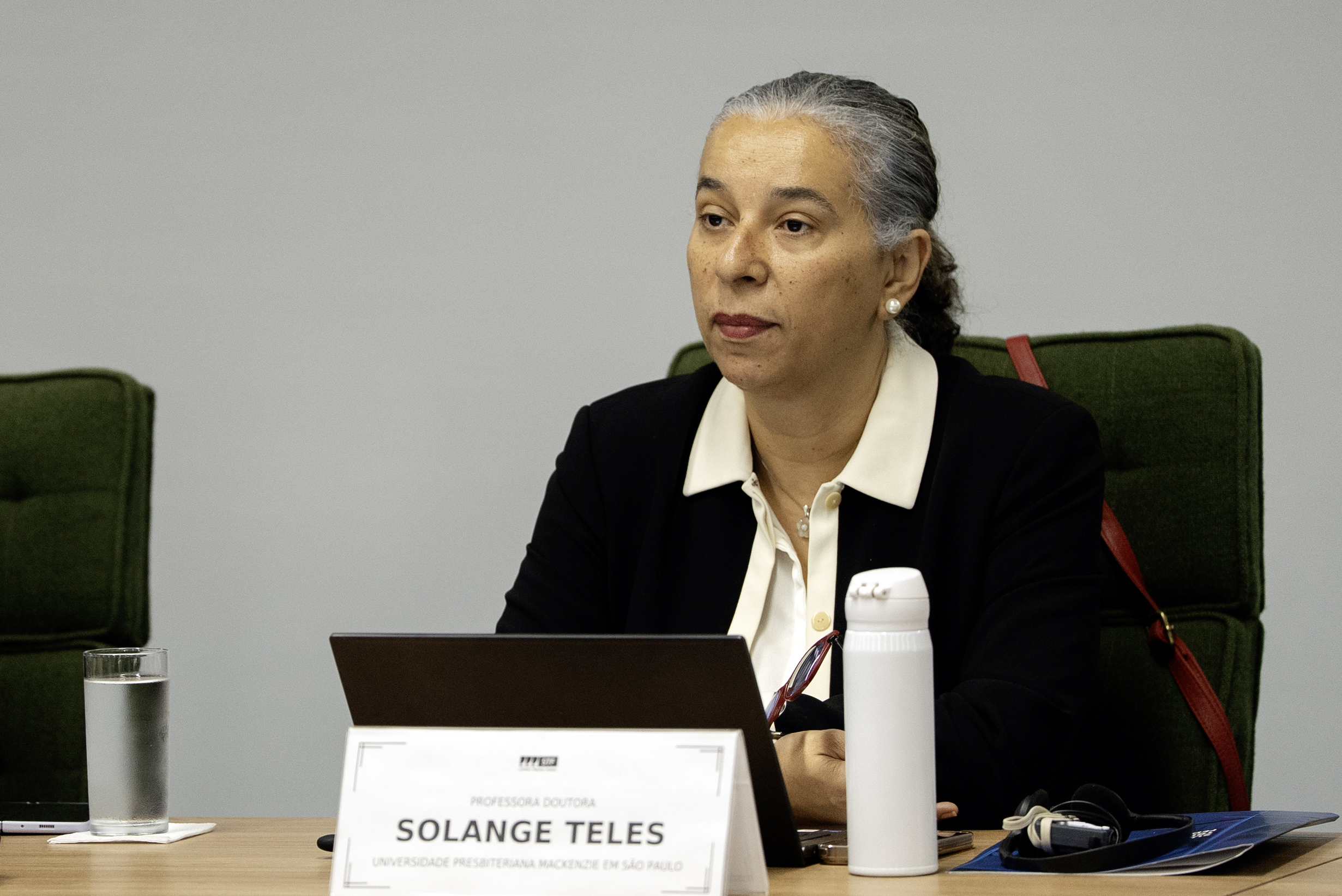
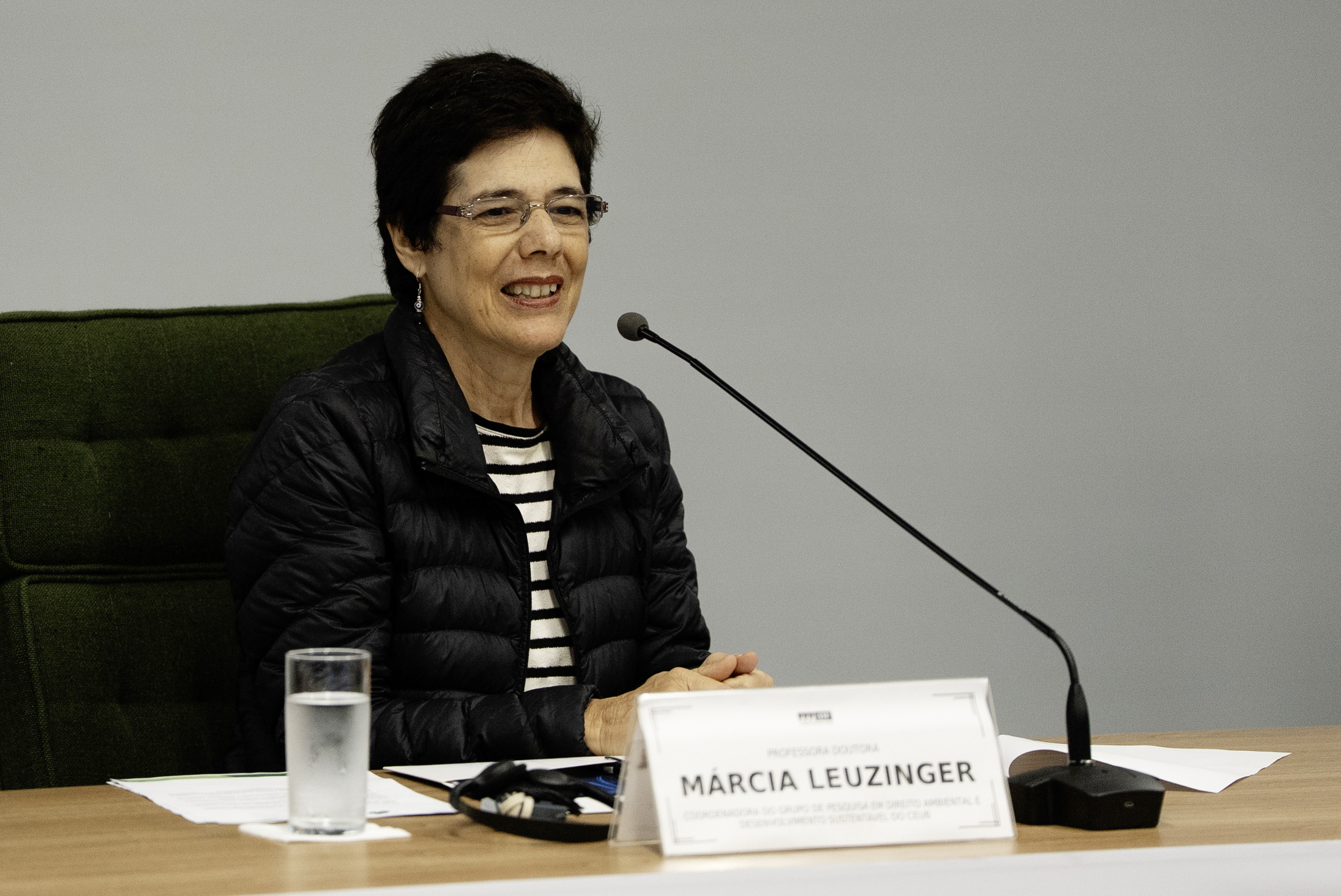
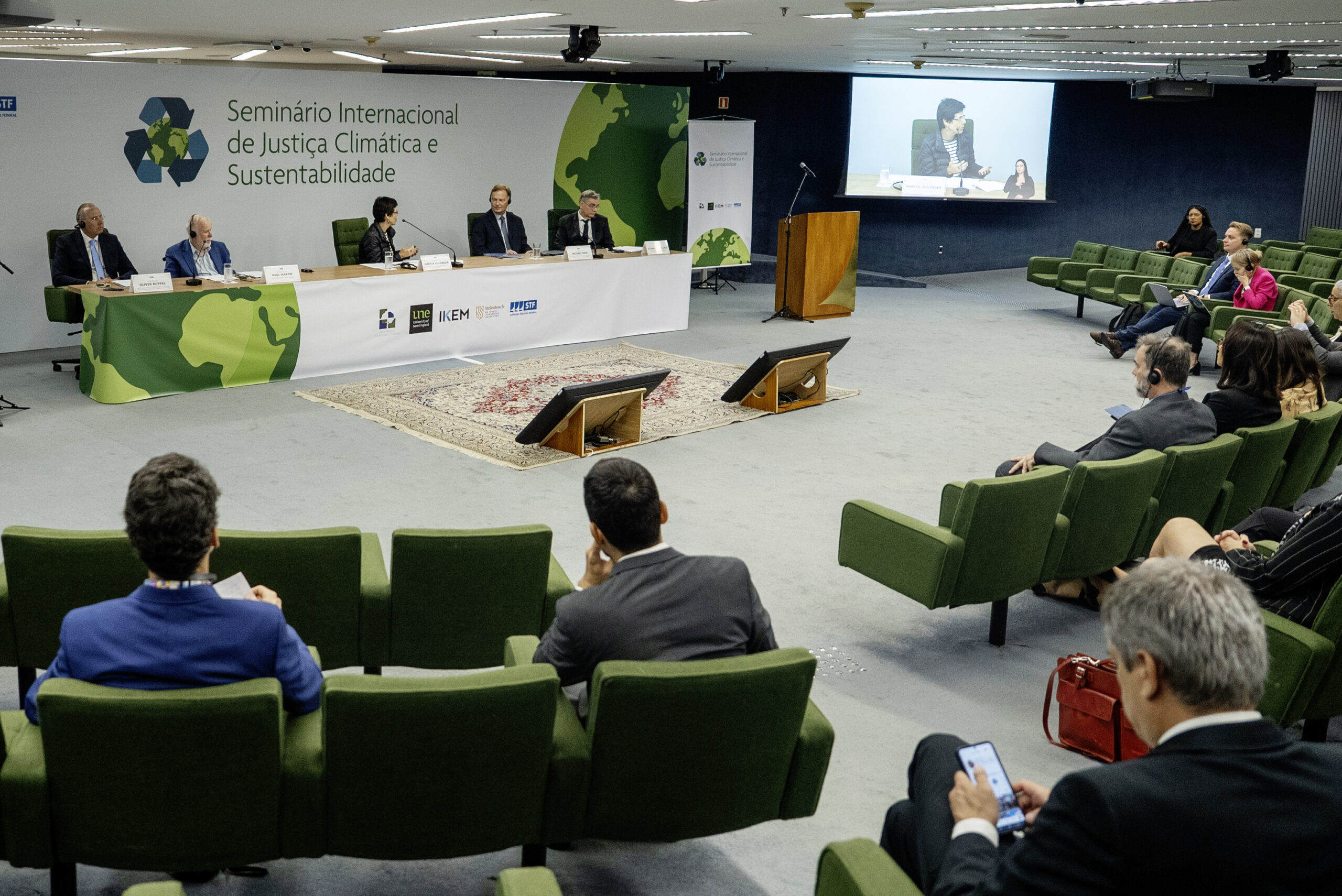
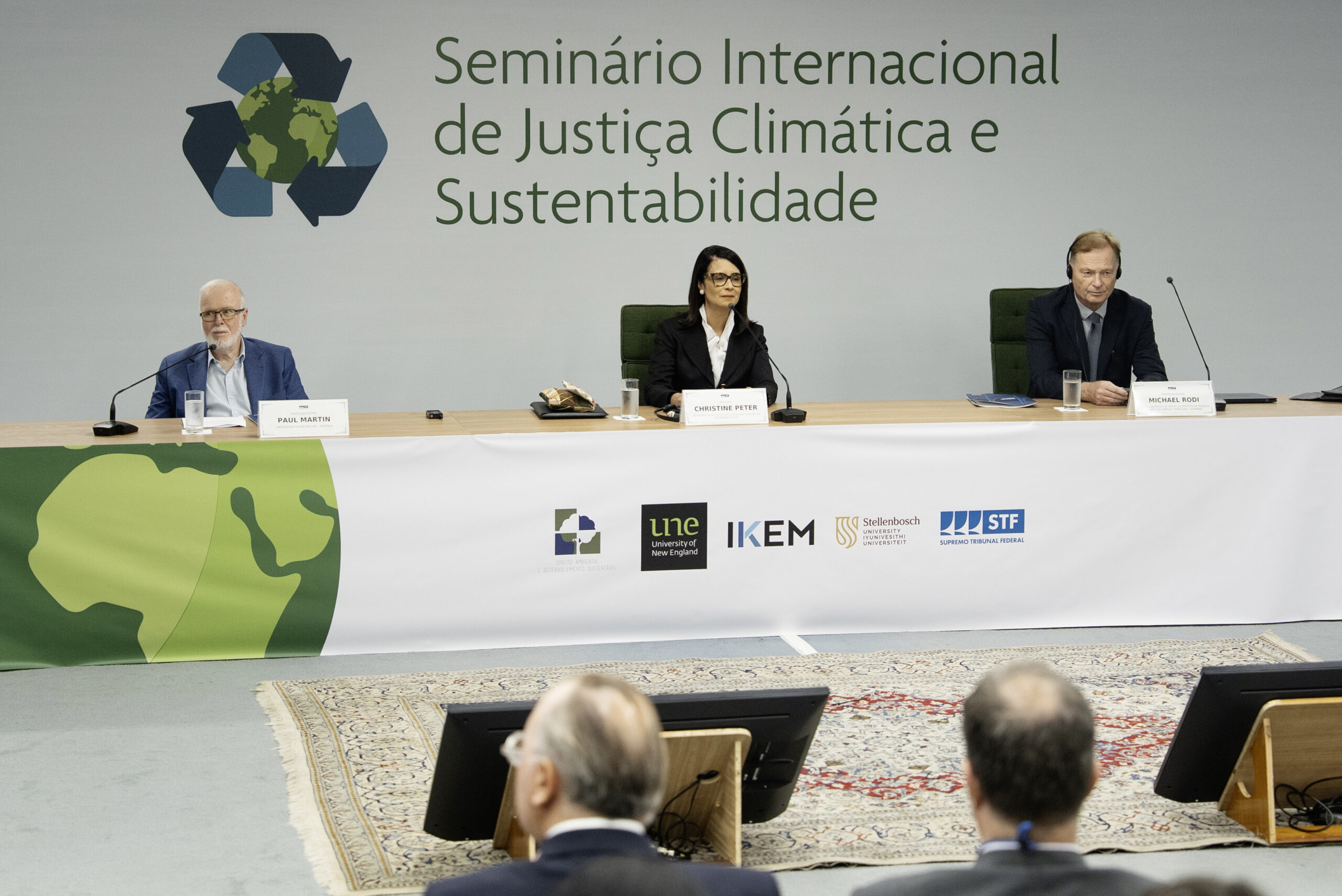
On 3 November, on the eve of COP30 in Belém, I had the honour to participate in the International Seminar “Climate Justice and Sustainability”, hosted by the Supreme Federal Court of Brazil (STF). The seminar brought together scholars and practitioners from Brazil, Germany, Australia, and South Africa to reflect on one of the defining questions of our time: what role can constitutional courts play in climate governance and environmental protection in an era of overlapping crises?
The timing of the seminar was no coincidence. As climate impacts intensify and global inequalities deepen, courts are increasingly called upon to adjudicate disputes that sit at the intersection of climate science, environmental law, human rights, and security. The STF seminar provided a rare and valuable space for comparative constitutional dialogue on these challenges.
From Environmental Protection to Environmental Security
In my contribution, “Institutional Challenges for Sustainability in the Post-COP30 Era”, I reflected on what I describe as the “interregnum” of environmental law — a period in which existing legal frameworks are no longer sufficient, while new ones are still emerging. This interregnum is characterised by polycrisis: climate change, armed conflict, biodiversity loss, and systemic governance failures unfolding simultaneously.
Using Ukraine as a case study, I illustrated how war has transformed environmental harm from a regulatory issue into a security imperative. Since 2022, Ukraine has experienced environmental damage on an unprecedented scale:
- over 20% of forests burned,
- 174,000 km² of mined territory,
- widespread contamination of agricultural land,
- massive water insecurity following the destruction of the Kakhovka Hydropower Plant, and
- approximately 250 million tonnes of CO₂-equivalent emissions generated by the war alone.
Yet, international law still lacks effective mechanisms to address conflict-related environmental damage and emissions, exposing a profound accountability gap.
Courts, Accountability, and the Question of Ecocide
A central theme of the seminar was the role of constitutional and supreme courts in navigating these legal blind spots. In Ukraine, environmental harm caused by war is no longer treated as collateral damage but as a subject of criminal investigation, including potential cases of ecocide.
However, at the international level, accountability remains constrained. Under the Rome Statute of the International Criminal Court, environmental damage qualifies as a war crime only if it is widespread, long-term, and severe — a threshold that is extremely difficult to meet in practice, even in cases such as the Kakhovka dam destruction.
Against this backdrop, I discussed emerging legal pathways, including: the EU Environmental Crime Directive (2024), which explicitly refers to offences “comparable to ecocide”; Brazil’s legislative debates on criminalising large-scale
environmental disasters, notably incorporating Indigenous legal worldviews that recognise nature as a rights-bearing entity; and international efforts to include ecocide as a fifth international crime under the Rome Statute.
The comparative discussion at the STF seminar highlighted how courts can act as norm entrepreneurs, shaping legal concepts that later crystallise into binding international standards.
Crisis-Responsive Climate Law and Green Recovery
I also reflected on Ukraine’s experience with crisis-responsive environmental and climate lawmaking. Despite the war, Ukraine has adopted a legally binding climate neutrality target by 2050 and is developing a draft Law on the Principles of Green Recovery, embedding sustainability criteria, environmental safeguards, and EU-aligned governance mechanisms into post-war reconstruction.
This experience challenges the assumption that environmental ambition must be postponed during crises. Instead, it demonstrates how climate law, environmental justice, and reconstruction can be mutually reinforcing when institutions are designed with resilience and accountability in mind
.Looking Ahead to COP30
The STF seminar made clear that climate justice is no longer solely the domain of international negotiations. Courts — particularly constitutional courts — are becoming central arenas where climate commitments, environmental rights, and state responsibilities are interpreted and enforced.
As we approach COP30 in Belém, these judicial conversations matter. They shape how climate obligations are translated into domestic law, how environmental harm is valued and repaired, and how future conflicts between development, security, and sustainability are resolved.
The dialogue initiated in Brasília reaffirmed a shared understanding: without strong legal institutions, climate ambition remains fragile. But with engaged courts, comparative learning, and a willingness to rethink legal categories — including ecocide, environmental security, and just transition — law can become a powerful tool for building forward together.