Ukraine Energy Security Marshall Plan: Advancing Clean Energy Transition through ResclimLaw Research
High-Level Discussion I August 12, 2024 I University of San Francisco, Washington D.C.
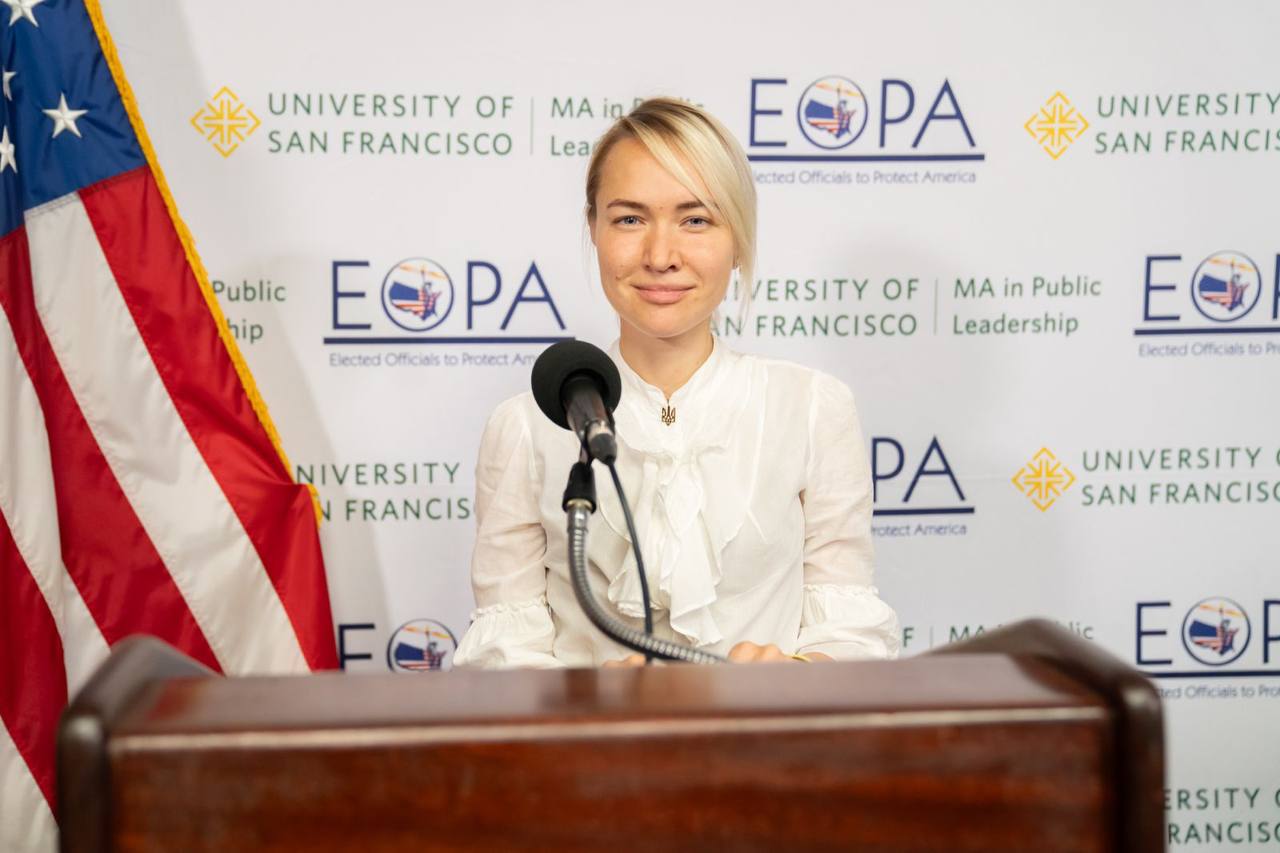
Dr. Ievgeniia Kopytsia made significant contributions to the development of the Ukraine Energy Security Marshall Plan and played a crucial role in leading and organizing the high-level discussion. Her expertise and leadership were instrumental in bringing together key stakeholders and shaping the strategic framework of the initiative. This work was conducted within the framework of the ResclimLaw research project under MSCA4Ukraine, funded by the European Union.
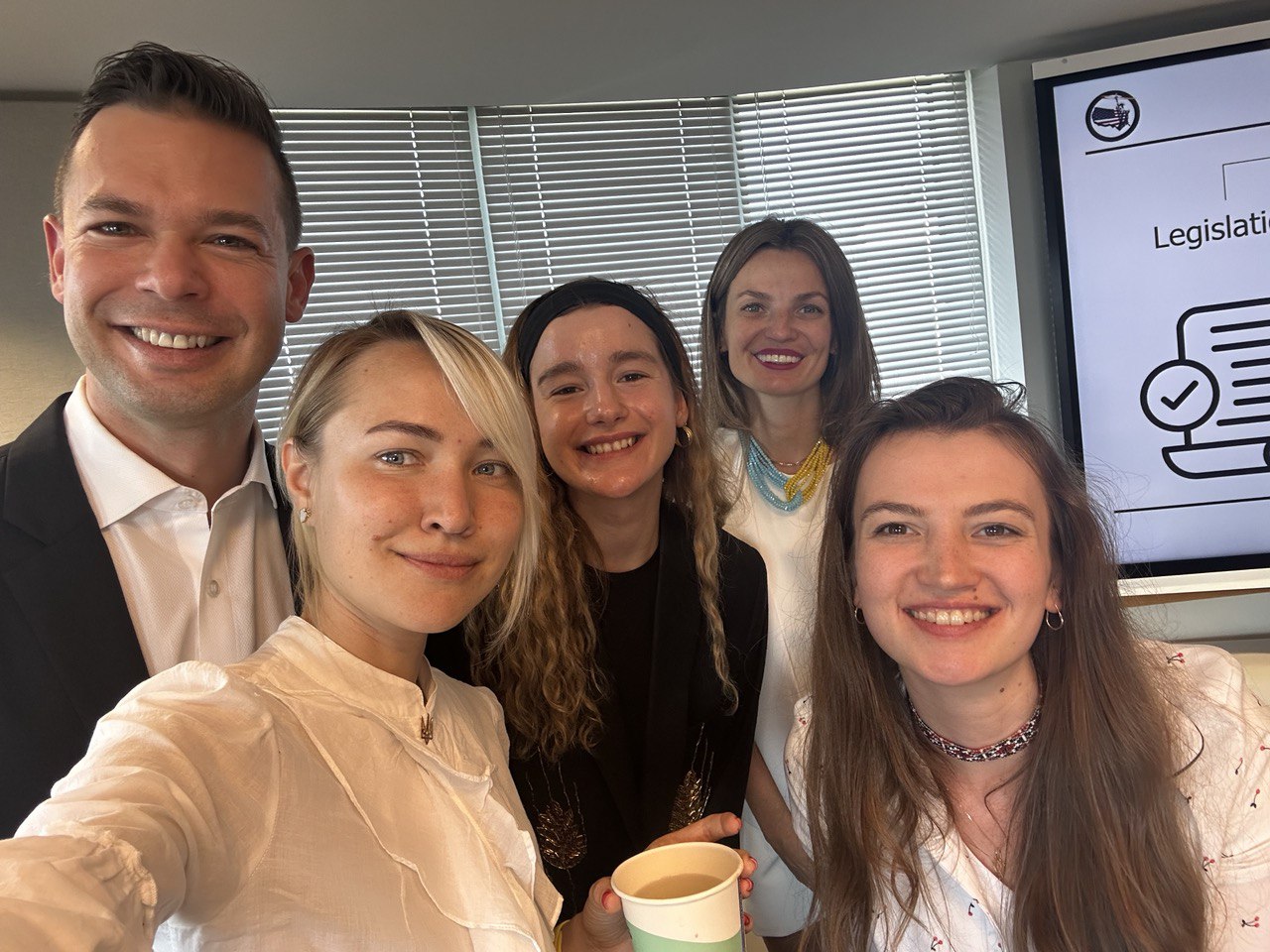
On August 12, 2024, Elected Officials to Protect America hosted a high-level discussion and coordination meeting on the future of Ukraine’s energy sector. The discussion aimed to advance Ukraine’s Energy Security Marshall Plan, a strategic initiative aimed at countering the impacts of Putin’s aggression in Ukraine, bolstering global security, and accelerating clean energy deployment.
Featured participants included Ukraine Embassy Military attaché, Main Directorate of Intelligence of the Ministry of Defence of Ukraine, President’s Office of Ukraine, Ukraine War Hero and international negotiator, UK Friends of Ukraine, UK Parliament staff, Special Advisor to the UK Parliament for the Environment, Bankers for Net Zero, Oxford University Net Zero Group, Europe Ukraine Energy Transition Hub, Prosperity for the Commons Finance, Roddenberry Foundation, Wallace Global Foundation, Rewiring America, German Marshall Fund, Truman National Security Project, Atlantic Council, ARC Public Benefit Company, Progress Humanity, National Public Radio, #AfghanEvac, Legion1 Energy, The Eurasia Center, Lubot Strategies, Kids Operating Room, One Earth, Ukraine, and climate funder/investors, U.S. Department of State, US Department of Energy National Laboratory, and elected officials from the UK and US.
The Ukraine Energy Security Marshall Plan
GLOBALLY: is a crucial opportunity to empower Ukraine and Europe with accessible and affordable clean energy while simultaneously undermining Putin’s war efforts in Ukraine. By fostering energy independence, the Plan strengthens global security and significantly boosts clean energy production worldwide.
REGIONALLY: aims to empower Ukraine with accessible and affordable clean energy, enhancing its energy independence, driving reforms and investments, and fostering comprehensive and sustainable economic growth to support Ukraine’s recovery. Ukraine’s clean energy potential is enough to power Europe six times, creating an energy shield vital for regional and international security.
Executive Summary
The Ukraine Energy Security Marshall Plan is driven by the recognition that Ukraine’s energy security is closely intertwined with international stability. Ukraine possesses the potential to power Europe six times over using its vast wind energy resources (The University Technology Sydney, 2024), presenting an opportunity to reduce global reliance on fossil fuel-dependent autocracies. As demonstrated by the doubling of Russian crude oil exports to the UK through third-party refineries, the ongoing reliance on fossil fuels continues to undermine efforts to support Ukraine, as the financial flows from these exports significantly exceed humanitarian aid.
The Plan emphasizes deploying distributed clean energy solutions, such as solar and wind, which are resilient against attacks, cost-effective, and rapidly deployable. For example, only 0.46% of Ukraine’s solar and 0.4% of its wind potential is needed to meet the entire country’s electricity needs (The University Technology Sydney, 2024). Deploying clean energy strengthens Ukraine’s energy infrastructure and serves as a tool for weakening authoritarian regimes. Additionally, distributed energy solutions can sustain critical infrastructure, such as hospitals and schools, by providing essential power even in the face of missile and drone strikes.
The Ukraine Energy Security Marshall Plan also incorporates a comprehensive strategy that includes Legislative Advocacy, strengthening Subnational Diplomacy partnerships, and direct aid provision of immediate energy security assistance through distributed energy technologies. This strategy is supported by training, coordination, and a media approach to educate and inspire action among key stakeholders. The successful implementation of this plan will protect Ukraine, Europe, and the planet by advancing clean energy solutions and reducing dependence on fossil fuels.
High-Level discussion and coordination meeting focused on establishing funding sources, forming an initial architect and Stakeholder Board, and setting short-, medium-, and long-term goals to guide the implementation of this critical initiative.
Key Discussions
The meeting commenced with introductions from attendees, who provided insights into their professional backgrounds and current initiatives related to the proposed plan. Following this, EOPA presented an overview of the Ukraine Energy Security Marshall Plan, highlighting Ukraine’s clean energy potential, the strategic importance of clean energy in undermining authoritarian regimes, and the Plan’s three focus areas: legislation, subnational/regional diplomacy, and direct aid.
The session then moved into facilitated group discussions on the expected goals of the Plan over the next 3 and 12 months, as well as operational strategies for each focus area.
Legislation Strategy: Participants reviewed current legislative efforts, focusing on stakeholder mapping, organizing, and media engagement. The discussion emphasized the need to draft policies making Ukraine eligible for IRA Investment Tax Credits to drive private investment.
Subnational/Regional Diplomacy Strategy: Discussions centered on assessing and improving sister city agreements, mapping meaningful partnerships, and leveraging existing infrastructure, such as heritage sites, to create impactful collaborations. Strategies for countering misinformation through targeted campaigns were also explored.
Direct Aid Strategy: This strategy is focused on securing funding for ongoing aid projects, including small-scale solar installations and emergency power solutions like generators. It also supports the existing solar-powered hospitals and other critical facilities across various regions in Ukraine, ensuring equitable development and reconstruction.
A session on financing and fundraising strategies followed, outlining both short—and long-term approaches. Key points included developing a large-scale funding proposal, cross-funder collaboration, and accelerating private finance through targeted initiatives.
The discussion marked a critical step in advancing the Ukraine Energy Security Marshall Plan. By focusing on legislative support, subnational/regional diplomacy, direct aid, and robust financing strategies, the Plan aims to position Ukraine as a leader in clean energy and a cornerstone of European energy security, creating strategic goals outlined to provide a clear roadmap for the next 3 to 12 months.
The next steps will involve follow-up through monthly coordination calls, continued stakeholder engagement, and active preparation for events like Climate Week and COP29. The successful implementation of this Plan will require sustained collaboration, innovative thinking, and a shared commitment to rebuilding Ukraine with a green, resilient, and prosperous future.
Detailed Strategic Initiatives
1. Legislative Strategy:
- Short-Term Focus (1-3 Months):
- Strengthening US-Ukraine Narrative: Developing a stronger narrative in the U.S. that emphasizes Ukraine’s pivotal role in European energy security, focusing on upcoming events like the Olympics and Paralympics to highlight Ukrainian resilience.
- Immediate Policy Actions: Engage with U.S. lawmakers to introduce Parliamentary Questions and encourage local advocacy efforts to maintain strong support for Ukraine. Encourage synchronized actions from international partners during events like COP29.
- Long-Term Focus (12+ Months):
- Building Legislative Support: Drive efforts to make Ukraine eligible for IRA Investment Tax Credits, which would significantly boost private investment in green energy projects. Focus on enabling repowering initiatives using donated or reused wind and solar equipment.
- Strategic Infrastructure Protection: Advocate for policies that ensure the military protection of Ukraine’s energy assets and prioritize the rebuilding of key infrastructure, such as power substations and local power centers.
2. Subnational/Regional Diplomacy:
- Short-Term Focus (1-3 Months):
- Effective Sister City Partnerships: Identify and map out sister city partnerships that are not merely symbolic but result in meaningful collaboration and tangible outcomes, such as infrastructure projects or educational exchanges.
- Countering Disinformation: Launch targeted campaigns, including celebrity endorsements, to counter misinformation about Ukraine and highlight the positive impacts of sister-city collaborations.
- Long-Term Focus (12+ Months):
- Public-Private Partnerships: Work towards securing funding for significant infrastructure projects within sister cities, leveraging public money to attract private investment. Enhance university partnerships to foster long-term skill-building and innovation.
- Cultural and Diplomatic Exchanges: Strengthen exchanges between sister cities, focusing on cultural, educational, and technological collaborations that reinforce the strategic goals of the Ukraine Energy Security Marshall Plan.
3. Direct Aid and Infrastructure Development:
- Short-Term Focus (1-3 Months):
- Emergency Infrastructure Support: Provide immediate support to critical infrastructure by delivering generators, solar kits, and gas turbines to schools, hospitals, and resilience centers. Focus on quick wins, such as easy-to-install solar panels and innovative storage solutions.
- Increased Donor Engagement: Target family offices and private donors for increased engagement, particularly in supporting solar installations and medium housing repairs that improve energy efficiency.
- Long-Term Focus (12+ Months):
- Resilient Energy Infrastructure: Develop long-term plans for building solar-powered schools, local power centers, and smart grids. Prioritize areas that will serve as hubs for community resilience and economic recovery.
- Sustainable Economic Growth: Focus on creating green jobs and building the skills necessary to maintain and expand Ukraine’s renewable energy infrastructure. This includes reconnecting Ukrainian diaspora talent with opportunities back home, and fostering a sustainable economic recovery.
4. Financing and Fundraising Strategies:
- Short-Term Focus (1-3 Months):
- Funding Proposal Development: Create a comprehensive, large-scale funding proposal integrating efforts across different sectors. Engage with potential funders during Climate Week and COP29 to secure early commitments.
- Cross-Funder Coordination: Begin coordinating between different funders to align strategies and maximize the impact of private and public investments.
- Long-Term Focus (12+ Months):
- Diversified Funding Sources: Explore new and creative funding sources, including corporate sponsorships, joint ventures, and blended finance models that reduce risk and increase investment in Ukraine’s energy infrastructure.
- Funder Convening at Key Events: Organize a dedicated funder convener at major international events, ensuring that the Ukraine Energy Security Marshall Plan remains a central focus of global energy and climate discussions.