RE-GREEN Project
Advancing European Green Deal Implementation in Ukraine
Funded by European Union Erasmus+ Programme Grant: ERASMUS-JMO-2024-MODULE
Project Overview: Implementation Strategy Expected Impact
The European Green Deal (EGD) serves as an ambitious roadmap to transform Europe into the first climate-neutral continent by 2050. With targeted strategies spanning energy, transportation, agriculture, industry, and infrastructure, the EGD seeks to enhance resource efficiency, restore biodiversity, reduce pollution, and bolster resilience to climate challenges, all while fostering a sustainable, healthy future for Europe.
While Ukraine embraced the vision of the European Green Deal (EGD) shortly after its inception—setting plans to align with its climate neutrality goals by 2050 and establishing interagency working groups to integrate these ambitions into the broader European framework—the full-scale Russian invasion in 2022 posed unprecedented challenges. The conflict has inflicted immense hardship on communities and caused environmental damage exceeding €55 billion, with losses escalating by approximately €100 million daily. The widespread destruction of ecosystems, contamination of natural resources, and significant biodiversity loss present severe risks, threatening to leave a lasting and profound impact on Ukraine’s environmental heritage.
Despite these challenges, environmental policy remains central to Ukraine’s EU journey. As Ukraine works towards EU accession, addressing key Green Deal objectives—such as emissions reductions, renewable energy expansion, and biodiversity recovery—positions Ukraine to advance its ecological goals while contributing to Europe’s collective sustainability and security.
RE-GREEN project plays a pivotal role in this context, aiming to enhance understanding of the European Green Deal and its practical application among Ukrainian students of law and international relations, legal practitioners, business representatives, state authorities, and local governments. By equipping key stakeholders with the knowledge and tools to implement EGD principles, RE-GREEN contributes to building a strong foundation for Ukraine’s sustainable recovery and its integration into the broader European climate agenda.
Certificate Program
40-hour intensive training covering EGD implementation, climate policy, and environmental governance. Three annual cycles reaching 150 participants.
RE-GREEN Talks
6 expert-led episodes annually featuring international speakers, policy discussions, and implementation strategies.
Knoledge Hub
Digital platform hosting educational resources, case studies, and best practices from EU member states.
Core Objectives
.1
Enhance EGD understanding
.2
Build implementation capacity
.3
Foster cross-sector collaboration
.4
Support EU integration process
.5
Develop practical solutions
.6
Create sustainable networks
Implementation Strategy
Educational Components
Interactive training modules
Expert-led workshops
Group projects
Support Mechanisms
Case study analysis
Practical assignments
Mentorship program
Resource library
Networking events
Online collaboration tools
Implementation guidance
Expected Impact
Individual Level
Enhanced expertise
Professional development
Institutional Level
Capacity building
Network expansion
Practical skills
Policy alignment
International cooperation
Resource optimization
National Level
EU integration support
Policy harmonization
Environmental progress
Sustainable development
Phase 1: Foundation
Curriculum development, partnership building, initial training cycles
Phase 2: Implementation
Full program rollout, knowledge sharing, community building
Phase 3: Scale & Sustain
Impact assessment, program refinement, long-term sustainability
Funded by the European Union
RE-GREEN Programs
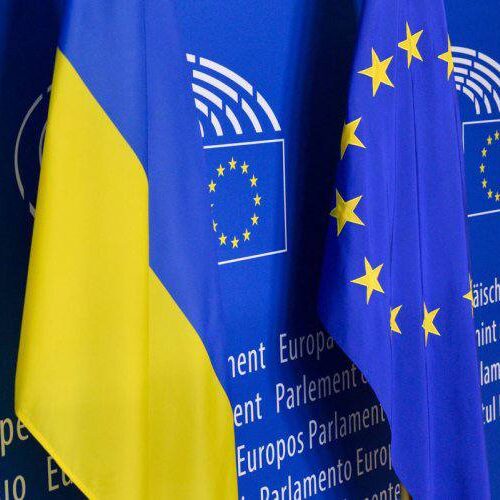
Green Transition from a Ukrainian Perspective: Public Perceptions of the European Green Deal
Global environmental challenges are becoming increasingly acute on the world stage: progressive pollution of air, water, and soil, accelerating rates of global warming, large-scale deforestation, and biodiversity loss